

Nursing Your Growing Baby with Training Pants
Parents must choose suitable care items to accommodate the demands of the infant at various times as they see the baby develop from being totally reliant on diapers to being able to use the toilet on their own. Diapers and training pants are two rather distinct goods with different features and uses.
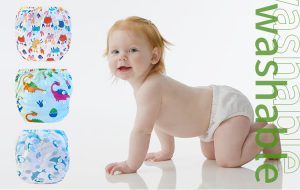
Details and uses of training pants and diapers
Firstly, variations in design
Usually designed like a belt, diapers make it easy for parents to change their infants fast.The infant may easily attempt to put on and take off training pants by himself because of their resemblance to regular underwear design.
Different functional aspects
Strong absorption capacity of diapers makes them appropriate for infants whose excretion is still uncontrollably high.Absorption capacity is somewhat poor, yet enough to handle mishaps during training.
Age and stage relevant
Diapers: Fits infants through to those who have not yet learned to use the toilet.
Training pants: Ideal for children between the ages of 18 months and three who are beginning to learn how to use the toilet.
Developing baby autonomy
Diapers The baby’s autonomous development may not be facilitated by their ease of usage.
Training pants Babies who attempt to put on and take off by themselves develop their independence and potty training.
Airiness and cosiness
Breathability is emphasized in current diaper designs to increase infant comfort.
Training pants are often constructed of breathable, softer, more fitting fabrics that also reduce friction.
Economical aspects and costs
DiapersThe long-term expenditures might be substantial because of the regular changes.
Training pants The little frequency of changes helps to lower long-term expenses, even if the unit price may be considerable.
Practicality of application
Quick to change, these diapers are great for nighttime usage or heading out.
Slow to adapt, training pants assist infants get used to donning and removing regular underwear.
Outside variables
Diapers: The environment is subjected to specific pressure when they are used disposable.
More ecologically friendly and reusable are training pants.
Safety measures for use at night diaperTheir great absorption capability makes them more appropriate for usage at night.
Training pants Using them at night might need setting an alarm clock to remind the infant to use the restroom.
Caring for and cleaning training pants
Procedure of cleaning
Replacement schedule: Usually every three to four hours or after each bowel motion, training pants should be changed when the infant requires them.
Changing training pants Clean the baby’s buttocks and inner thighs with warm water and a soft cloth; stay away from alcohol- or fragrance-containing wipes.
To prevent odor, roll up and tape up old training trousers before throwing them in the garbage pail.
Advise for maintenance
For the sake of their absorbency and cleanliness, unopened training trousers should be kept dry and cool, out of direct sunlight and dampness.
Look over the packing To make sure the training trousers aren’t infected, check the box prior to use.
Justifiable purchase Considerable buy in light of the baby’s growth rate and use frequency; prevent overstocking and expiry.
Environmental consciousness Although training pants are thrown away items, parents should deliberately cut down on their use and help their infant learn to use the toilet.
Care Instructions
Steer clear of overly tight sizes The baby’s range of motion may be restricted and skin friction and rashes may even result.
Observe skin condition You should talk to a doctor and think about switching to a new brand or model of training pants if your infant develops diaper rash or other skin conditions.
At night, utilize training pants with more absorbency to lessen the amount of changes and guarantee your baby sleeps through the night.
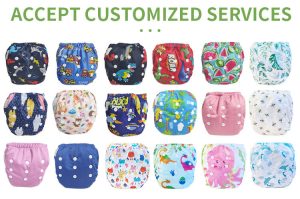
The leap from diapers to training pants
Diapers and training pants are different products with different benefits. The age, stage of development, and personal requirements of the infant should guide parents’ selection. Correct use of both items can help you lessen your environmental effect while promoting your baby’s development and toilet training.