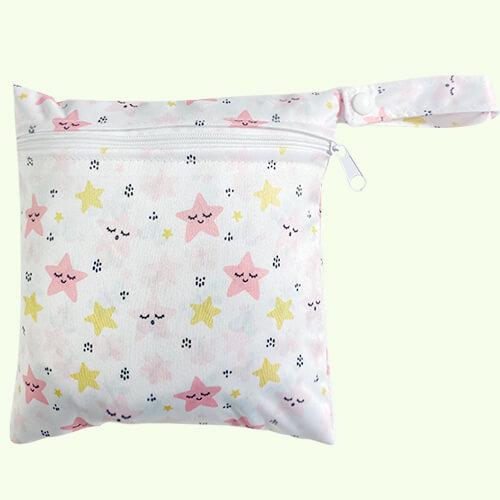


The effectiveness of breast pads in preventing leaks
Breast pads, as a personal care product designed for breastfeeding mothers, are mainly used to absorb and store spilled breast milk, keeping breastfeeding mothers dry and comfortable. It is a must-have accessory for breastfeeding mothers.
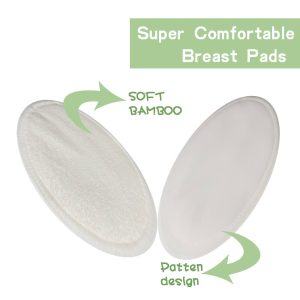
Breast pads material and anti-spill effect
Absorption speed: high-quality breast pads can quickly absorb breast milk and prevent spillage.
Absorption capacity: different breast pads have different absorption capacities, and personal milk secretion should be considered when choosing.
Cotton breast pads: natural material, soft and comfortable, suitable for sensitive skin, but the absorption speed is relatively slow.
Non-woven breast pads: have good absorbency and breathability, suitable for daily use.
Polymer absorbent material: has super strong absorption capacity, suitable for mothers with large milk secretion
The role of breast pads
Nursing pads have multiple functions, including:
1. Leakage prevention
The main function of nursing pads is to absorb leaked breast milk and prevent it from soaking through clothing, so that breastfeeding mothers can stay dry and comfortable all day.
2. Skin protection
In addition to preventing milk leakage, breast pads also provide a protective barrier between nipples and clothing, reducing friction and preventing irritation and soreness.
3. Comfort
By effectively absorbing leaks, breast pads ensure that nursing mothers can carry out their daily activities without worrying about embarrassing leaks or discomfort.
Factors that affect leak prevention
Several factors affect the effectiveness of nursing pads in preventing leaks:
1. Absorbency
The absorbency of a nursing pad determines its ability to absorb leaks. High-quality nursing pads are made of absorbent materials that quickly wick away moisture and lock it in to prevent leaks.
2. Breathability
Breathable nursing pads allow air to circulate, preventing moisture buildup and reducing the risk of leaks. Adequate airflow also helps keep the skin dry and prevents irritation.
3. Fit and design
Nursing pads that fit well, conform to the shape of the breast, and adhere securely to the underwear are more effective in preventing leaks. Additionally, nursing pads with contoured designs and adhesive strips provide better coverage and leak protection.
Types of breast pads and leak prevention tips
There are several types of breast pads on the market, including:
1. Disposable breast pads
Disposable nursing pads are convenient and easy to use. They are designed to be used once and are discarded after each use. These pads are usually made of absorbent materials like paper pulp and have a waterproof backing to prevent leaks.
2. Washable Breast Pads
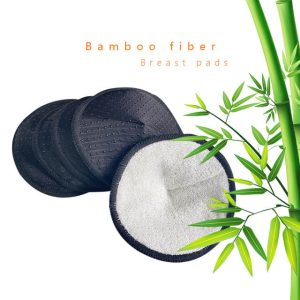
Washable nursing pads are reusable and eco-friendly. They are made of soft, absorbent fabrics like cotton or bamboo and can be washed and reused multiple times. Washable nursing pads are available in a variety of sizes and thicknesses to suit individual needs.
3. Silicone Breast Pads
Silicone nursing pads are reusable and provide a waterproof barrier to prevent leaks. They adhere directly to the skin and can be washed and reused multiple times. Silicone nursing pads are popular for their concealment and ability to conform to the shape of the breast.
Tips for Spill Prevention
To maximize the effectiveness of nursing pads in preventing leaks, consider the following tips:
1. Change Regularly
Change nursing pads regularly to ensure freshness and prevent leaks. Disposable pads should be changed once they are soaked, while washable pads should be changed as needed throughout the day.
2. Choose the Right Size
Choose nursing pads that fit the size and shape of your breasts. Pads that are too small may not provide adequate coverage, while pads that are too large may be bulky and uncomfortable.
3. Maintain good hygiene habits
Keep the breast area clean and dry to prevent bacteria growth and minimize the risk of milk leakage. Change the nursing pad immediately after feeding or expressing milk to maintain hygiene.
Conclusion
Breast pads play a vital role in preventing leaks for breastfeeding mothers. By choosing high-quality breast pads with optimal absorbency, breathability, and fit, nursing mothers can breastfeed confidently without worrying about leaking or discomfort. With the right nursing pads, breastfeeding can be a more comfortable and enjoyable experience for both mother and baby.