

Training pants: a great helper for baby’s growth
Training pants, also known as pull-up pants, help young children transition from diapers to underwear during toilet training. As babies transition from infancy to toddlerhood, they become more active and active as they grow older, and training pants are designed better than diapers and are generally suitable for active and crawling babies. As an innovative baby care product, training pants provide babies with greater freedom and independence.
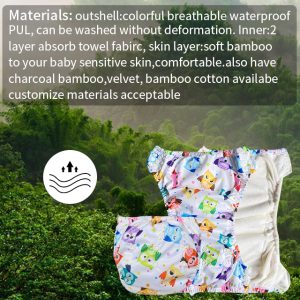
Effects and applicable scenarios of training pants
Convenience in design
Easy to put on and take off,The design of training pants mimics ordinary underwear and can be torn off on the sides for quick and easy replacement.
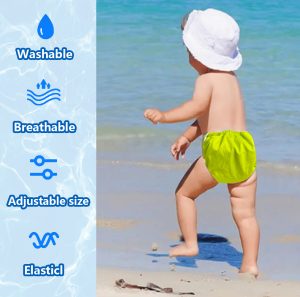
Suitable for activities,The elastic waistband and leg elastic design adapt to the baby’s activities and reduce the sense of restraint.
Absorption performance
Efficient absorption,Modern training pants use highly absorbent materials to cope with the baby’s daily excretion.
Leak-proof design,Most training pants have three-dimensional leak-proof guards to reduce the possibility of side leakage.
Promote toilet training
Simulated underwear,The appearance and wearing and taking off of training pants are similar to ordinary underwear, which helps babies adapt to toilet training.
Self-care,Babies can try to put on and take off training pants by themselves, cultivating independence and self-care skills.
Skin Health
Breathability,High-quality training pants have good breathability, reducing skin problems such as diaper rash.
Soft material,Soft lining reduces friction and protects baby’s sensitive skin.
Nighttime use considerations
Nighttime absorption,Thickened training pants designed specifically for nighttime provide long-term absorption protection.
Reduce interruptions,Reduce the number of nighttime changes, so that both babies and parents can get better sleep.
Out-of-home use
PortabilityTraining pants are lightweight and easy to carry, suitable for use when going out, keeping babies clean.
Quick change,Training pants are particularly convenient when changing diapers in public.
Environmental factors
Sustainability,Although training pants are disposable products, some brands offer products made of biodegradable or environmentally friendly materials.
Reduced waste,Proper use of training pants can reduce clothing changes caused by leaks, thereby reducing the number of laundry and water waste.
Economy
Cost-effectiveness Although training pants may cost more than traditional diapers, their convenience and reduced cleaning work can bring economic savings.
Long-term use As babies gradually learn to use the toilet, the frequency of training pants will decrease, further saving costs.
Market selection
Brand diversity,There are many brands on the market that provide training pants with different functions and designs to meet the needs of different families.
User evaluation Consumers can choose products with good reputation and high evaluation through the evaluation and recommendation of other parents.
Parents’ adaptability
Accepting new things, For parents who are just starting to use training pants, it may take some time to adapt to the way of wearing and taking off and the frequency of changing.
Patient guidance,Parents need to patiently guide their babies to help them adapt to training pants and smoothly transition to independent toileting.
How old can a baby use training pants?
Babies aged 1 and a half can start training if they are willing to use the toilet. If the baby is too young, there is no need to rush to train, and you can wait another year. This is especially suitable for babies with regular bowel movements. It is best in summer, but it may be a bit troublesome in winter. In summer, it is very convenient to put on and take off training pants when they are wet. Even if the weather is colder, you can still wear single pants in time. You can change them when they are wet, and the burden is not heavy. It is too late to practice wearing training pants in winter, and it is easy to catch a cold when they are wet.
The time when each baby starts to tell adults when they urinate and defecate is different. Generally speaking, most babies begin to show signs of toilet training after the age of two. Of course, some babies can start at 18 months old. Generally, babies will stop wetting the bed after the age of 5, but some have to wait until they are about 8 years old.
A new chapter of independence
As a modern parenting product, training pants are considered to be easy to use for their convenience, comfort and promotion of toilet training. Although the situation of each family and baby is different, training pants undoubtedly provide strong support for the baby’s growth. It can help parents better understand training pants and make appropriate choices, so that babies can be more confident and comfortable in the process of growing up.