

As the world shifts towards more sustainable living practices, many parents are opting for reusable cloth nappy over disposable ones. Cloth nappies are environmentally friendly, cost-effective, and gentle on your baby’s skin. However, one common concern for new cloth nappy users is how to properly care for and clean them. This comprehensive guide will walk you through everything you need to know about maintaining your reusable cloth nappies, ensuring they remain hygienic, absorbent, and durable.
Understanding the Types of Reusable Cloth Nappy
Before delving into the care and cleaning process, it’s essential to understand the different types of reusable cloth nappy available. This knowledge will help you tailor your care routine to the specific needs of your nappies.
- Prefolds and Flats: These are the traditional types of cloth nappies. Prefolds are rectangular and consist of multiple layers of fabric, while flats are single-layered, large squares of fabric that need folding.
- Fitted Nappies: These nappies have an absorbent material shaped to fit your baby snugly and usually require a waterproof cover.
- Pocket Nappies: These have a pocket where you can insert absorbent inserts. The outer layer is waterproof, and the inner layer is designed to keep your baby dry.
- All-in-One (AIO) Nappies: These nappies combine the absorbent layer and waterproof outer layer in one piece, making them easy to use but sometimes more challenging to dry.
- All-in-Two (AI2) Nappies: These consist of a waterproof cover and a separate absorbent insert that attaches to the cover.
Prepping Your Cloth Nappies
Properly prepping your reusable cloth nappy before the first use is crucial to enhance their absorbency and remove any manufacturing residues.
- Natural Fiber Nappies: Nappies made from natural fibers like cotton, hemp, or bamboo require multiple washes before reaching their maximum absorbency. Wash these nappies at least 3-5 times before use, using hot water and a small amount of detergent. Avoid fabric softeners as they can reduce absorbency.
- Synthetic Fiber Nappies: Nappies made from synthetic fibers like microfiber, microfleece, or polyester only need one wash before use.
Daily Care and Storage
To maintain the quality and hygiene of your reusable cloth nappy, establish a daily care routine.
- Rinsing Soiled Nappies: After changing your baby, remove any solid waste from the nappy. For exclusively breastfed babies, this step isn’t necessary as their waste is water-soluble. For formula-fed babies and those on solids, use a nappy sprayer or dunk and swish the nappy in the toilet.
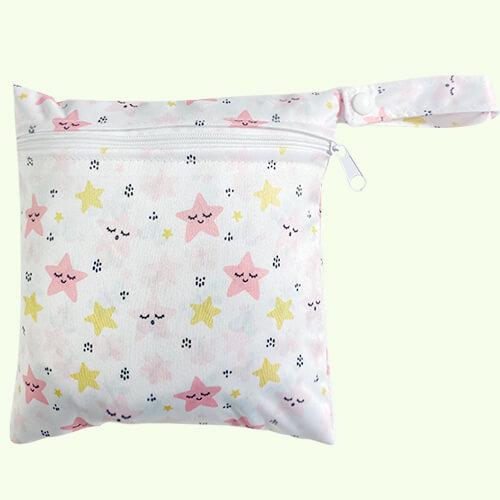
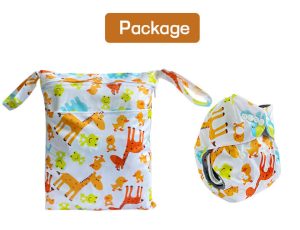
- Storing Dirty Nappies: Store rinsed nappies in a dry pail or wet bag until wash day. A dry pail is simply a container with a lid, while a wet bag is a waterproof, zippered bag designed to hold soiled nappies. Ensure there is adequate ventilation to prevent mold and mildew.
Washing Your Cloth Nappies
Washing reusable cloth nappy correctly is essential to keep them clean, odor-free, and absorbent.
- Choosing the Right Detergent: Use a detergent that is free of fragrances, dyes, and fabric softeners. Look for one specifically formulated for cloth nappies or a gentle, baby-friendly detergent. Avoid using bleach regularly as it can damage the fabric and elastic over time.
- Washing Routine: Follow these steps for an effective washing routine:
- Pre-wash: Start with a cold pre-wash or rinse cycle to remove any remaining solids and urine. This step helps to prevent stains and removes most of the waste before the main wash.
- Main Wash: Run a hot wash cycle (40-60°C or 104-140°F) with the recommended amount of detergent. Use a high water level and an extra rinse cycle to ensure all detergent is thoroughly rinsed out.
- Extra Rinse: An additional rinse cycle can help remove any lingering detergent residues that might irritate your baby’s skin or affect the nappies’ absorbency.
Drying Your Reusable Cloth Nappy
Proper drying is crucial to maintaining the quality of your reusable cloth nappy. Different drying methods can affect the lifespan and performance of the nappies.
- Line Drying: The best way to dry cloth nappies is to line-dry them in the sun. Sunlight naturally bleaches and sanitizes the nappies, reducing stains and odors. Hang the nappies with the inside facing the sun to protect the waterproof outer layer from UV damage.
- Indoor Drying: If outdoor drying isn’t an option, use a drying rack or a clothesline indoors. Ensure good air circulation to prevent mold and mildew.
- Tumble Drying: While occasional tumble drying on low heat can help soften the nappies, frequent use can wear out the elastic and waterproof layers. Avoid high heat settings, as they can damage the nappies.
Dealing with Common Issues
Even with proper care, you might encounter some common issues with your reusable cloth nappy. Here are some troubleshooting tips:
- Stains: Despite your best efforts, stains can happen. Sunlight is an effective natural stain remover. You can also use a stain remover safe for cloth nappies or create a paste of baking soda and water to treat stubborn stains.
- Odors: If your nappies develop a persistent odor, it might be due to detergent buildup or insufficient rinsing. Run a strip wash by soaking the nappies in hot water with a small amount of detergent, then rinse thoroughly until no suds remain.
- Leaks: Leaks can occur if the nappies are not fitted correctly if the absorbency is insufficient, or if the waterproof layer is compromised. Ensure a snug fit around the legs and waist, add additional absorbent inserts if needed, and check for any signs of damage in the waterproof layer.
Stripping Your Cloth Nappies
Over time, reusable cloth nappy can build up detergent residues, oils, and minerals that reduce their absorbency and cause odors. Stripping the nappies helps to remove these buildups and restore their performance.
- Stripping Process:
- Start with clean nappies.
- Fill your washing machine with hot water.
- Add a cloth nappy-safe stripping agent or a small amount of original blue Dawn dish soap (if recommended by the manufacturer).
- Soak the nappies for several hours.
- Run multiple rinse cycles until no more suds are visible.
- Regular Maintenance: Regularly strip your reusable cloth nappy every 1-2 months or whenever you notice reduced absorbency or persistent odors.
Maintaining Your Cloth Nappy Accessories
In addition to the nappies themselves, it’s essential to care for the accessories that accompany them, such as wet bags, diaper pail liners, and cloth wipes.
- Wet Bags and Pail Liners: Wash wet bags and pail liners with your cloth nappies. Ensure they are completely dry before use to prevent mold and mildew.
- Cloth Wipes: Cloth wipes can be washed with the nappies or separately. Ensure they are thoroughly rinsed to remove any detergent residues.
Building a Sustainable Cloth Nappy Routine
Caring for reusable cloth nappy is an investment in sustainability and your baby’s well-being. Here are some tips to build a sustainable routine:
- Purchase Quality Nappies: Invest in high-quality nappies that are durable and designed to last through multiple children.
- Have a Sufficient Stash: Having a sufficient number of nappies (typically 20-30) allows for a manageable washing routine and reduces wear and tear from frequent use.
- Educate Yourself: Stay informed about the latest care techniques and products to ensure you’re using the best practices for your nappies.
- Join a Community: Joining a cloth nappy community, either locally or online, can provide valuable support, advice, and shared experiences.
Conclusion
Switching to reusable cloth nappy is a commendable choice for both the environment and your baby’s health. By understanding the different types of cloth nappies and following a consistent care routine, you can ensure your nappies remain clean, absorbent, and durable. Proper washing, drying, and occasional stripping are essential steps in maintaining the quality and performance of your cloth nappies.
Caring for reusable cloth nappy may seem daunting at first, but with time and practice, it becomes a seamless part of your parenting routine. The benefits far outweigh the effort, offering you a cost-effective, eco-friendly, and healthy diapering solution. Embrace the journey of cloth nappying with confidence and contribute to a sustainable future for your baby and the planet.