

Analysis of the best choices for baby bibs
Everyday feeding of newborns requires baby bibs. The comfort and health of your baby directly depend on the materials and bibs you choose. Different materials offer unique qualities for comfort, water absorption, waterproofing, and cleaning.
Features and uses of baby bibs in material terms
cotton bibs
Suitable for infants and babies with delicate skin, cotton bibs are very soft and non-irritating to the skin.
High water absorption: The skin of the infant is kept dry and saliva and milk are swiftly absorbed by cotton material.
Breathability: Cotton bibs are not stuffy, breathe well, and lessen skin issues.
Uses for cotton bibs include light feeding and drool bibs.
The Terry bibs
Strong water absorption makes Terry bibs ideal for infants who drool a lot.
High softness: The baby’s sensitive skin may tolerate the extremely soft Terry bibs.
Suggestions
At home, terry bibs work well, particularly while the infant is nursing or drooling profusely.
Silicone baby bibs
Excellent waterproof performance of silicone bibs allows them to successfully stop fluids from seeping through and keep baby’s clothing dry.
Simply rinse with water or wipe with a moist towel to clean silicone material.
Trough design: A lot of silicone bibs contain a trough to collect spilled food and save cleaning time.
Suggestions
for simple cleaning is needed or for feeding, silicone bibs are great.
Woolen bibs
Waterproof coating: Liquid penetrating most polyester bibs is successfully prevented by their waterproof coating.
Easy to clean: Suitable for regular use, polyester fibre material is not easily absorbed by water and dries quickly after washing.
Lightweight: Babies will not feel overburdened while wearing polyester bibs because of their relative low weight.
Relevant cases
Polyester bibs work well for feeding and outdoor activities, particularly when waterproofing is needed.
Bamboo fiber bibs
inherent antibacterial: The sanitary and clean bibs may be maintained by the inherent antibacterial qualities of bamboo fiber.
Soft and comfortable: Baby’s sensitive skin is best served by the soft and well-absorbent bamboo fiber material.
Ecological protection: Bamboo fiber is a material that is good for families that care about the environment.
Applications Bamboo fiber bibs are appropriate for everyday use, particularly for families that value environmental conservation and infants with delicate skin.
Full baby bib concerns
Parents may take into account several use situations and their baby’s particular requirements when selecting baby bibs:
Suitable for everyday usage and drool bibs, cotton and bamboo bibs are soft and comfy.
Very absorbent terry bibs are ideal for infants that drool a lot.
Feeding: Waterproof and simple to clean, silicone and polyester bibs are perfect for feeding.
Going out: Easy to carry and clean, lightweight and waterproof, silicone and polyester bibs are great for going out.
Bib care and cleaning: keep safe and sanitary
Procedure of cleaning
Hand wash: Give the stains in particular care while gently hand washing bibs made of cotton or other delicate fabrics with warm water and mild detergent.
Silicon bibs and other washable materials may be machine cleaned on a mild cycle using a laundry bag.
Frequency of cleaning: Check the bibs right away after each use. They have to be cleaned as soon as possible if there are apparent stains. Washing them at least once a day is advised even if they seem clean.
Drying procedure: To stop material aging, lay flat in a ventilated area to dry after washing, gently compress to remove excess water.
To prevent moisture that feeds germs, make sure the bibs are totally dry and keep them somewhere clean and dry.
Regularly feel for hardness in the buttons and stitching of the bibs, and promptly replace or repair any that are broken.
Particular cleaning advice: Soak tough stains in detergent first, then use a soft brush to gently cleanse them.
Ecological cleaning: To lessen environmental effect and prevent chemical residues, use ecologically friendly detergents.
Long-term use: Make many bibs ready for rotation to save washing a single one more often and prolong its useful life.
Conclusion
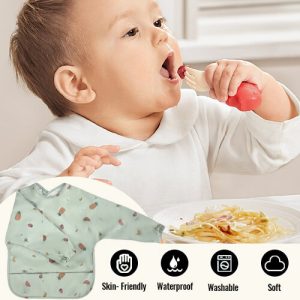
A baby bibs should be chosen with comfort, absorbency, water resistance, washing convenience, and safety as top considerations. With each of cotton, terry cloth, silicone, polyester, and bamboo fiber having pros and cons of its own, parents may choose the finest option for their infant according on their particular requirements and use situations. A good bib may help parents’ parenting lives be simpler and more pleasurable in addition to protecting the baby’s clothing and skin.