

Introduction of cloth diapers
Increasingly many parents are choosing to use cloth diapers since they are reusable and good for the environment. Apart from being more affordable and ecologically responsible, cloth diapers are also kinder to the baby’s skin. Nevertheless, using cloth diapers needs certain considerations to guarantee the baby’s comfort and cleanliness.
Select the suitable cloth diaper
Adaptability and size
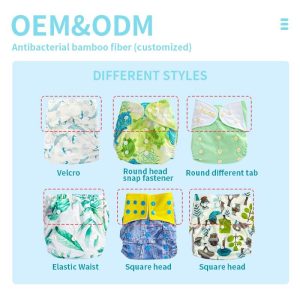
Different sized and designed cloth diapers are available to fit infants of all ages and sizes. Select adaptable cloth diapers, which extend the usage period and provide financial savings as the baby develops.
Choosing materials
Among the materials used to make cloth diapers include cotton, hemp, bamboo fiber, and so on. Diapers made of cotton fabric are soft and absorbent, bamboo fiber naturally antibacterial, and hemp is robust and absorbent. Your baby’s skin sensitivity and your own tastes will help you choose the best material.
Design of absorbent layers
The heart of the cloth diaper, the absorbent layer directly influences diaper usage. Either an insert design that may be removed or an integrated absorbent layer are possible. Selecting very absorbent and fast-drying fabrics, including bamboo or microfiber, helps keep your baby dry.
Using the cloth diapering method
Wear appropriately, first
Make sure the baby’s cotton diaper fits them well, but not too tightly, to prevent pressure marks or poor blood circulation. To stop side and back leaks, give particular attention to how tight the thigh root and waist are.
Modification of time
To keep the infant dry and comfy, cloth diapers must be changed more often than disposable diapers. Generally speaking, change every two to three hours or right away after the infant has a bowel motion. The change time might be extended at night by using thicker or more absorbent cloth diapers.
Cleaning and pretreatment
There must be preparation, including washing and disinfecting, before using cloth diapers. To wash cloth diapers, first rinse dirt and urine with cold water, then use the right quantity of laundry detergent and warm water. Remaining residues from bleach and softener should not irritate the baby’s skin. Select from specialized diaper detergents or natural detergents.
Cloth diaper storage and care
One way of storage
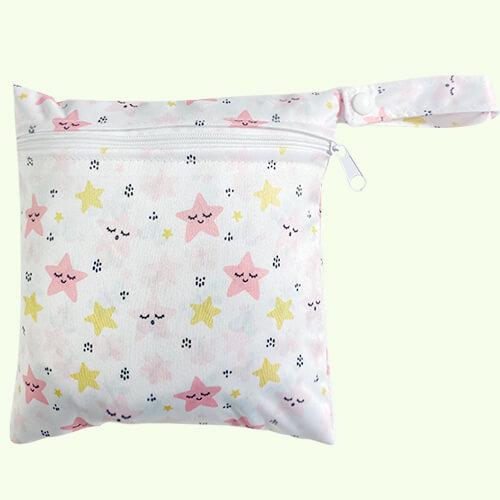
To prevent mucking with other clothing, dirty cloth diapers should be thrown straight into a special diaper pail or waterproof bag. Every day cleaning and disinfection is necessary to maintain the diaper pail sanitary. To lessen smell and bacterial development, add a little bit of baking soda or tea tree oil to the bucket.
Cleaning and drying
To benefit from the sterilizing power of UV light, cloth diapers should be completely dried after washing, ideally in the sun. Should drying prove to be impossible, you may use a dryer, but take care to regulate the setting to prevent excessive temperatures from harming the cloth diaper’s fabric.
maintenance advice
Regular inspections of cloth diapers are necessary, and in time replacement of damaged or absorbent diapers is advised. Cloth diapers may have their service life extended and their absorbency and hygienic state maintained by regular thorough washing and disinfection.
Guidelines and typical issues
Avoid diaper rash.
Diaper rash may still result from cloth diapers even if they are soft on the skin if they are not changed on time or cleaned properly. To create a barrier of protection, wipe the baby’s buttocks and use the right quantity of diaper cream each time you change the diaper.
Use while leaving the house
Taking out cloth diapers means making extra arrangements, such as packing enough extra diapers, waterproof bags, wet wipes, etc. Selecting an easy-to-put-on and take-off cloth diaper type will save you time changing while you’re out and about.
Using at night
You may add another absorbent layer or choose a nighttime cloth diaper type with more absorbency. To guarantee the baby is dry and comfortable all night, monitor their sleep and change the wet diaper on schedule.
Diapers made of cloth and the health of little skin
Cut down on diaper rash. Cloth diapers’ breathability lowers the risk of diaper rash.
Caring for sensitive skin: Cloth diapers might be a better option for newborns with delicate skin.
What cloth diapers mean to society and culture
Modernity and tradition together: Using cloth diapers shows that one respects both contemporary environmental conservation and traditional parenting techniques.
Conclusion
Although using cloth diapers costs parents more time and effort, there are unquestionable benefits for the environment, economy, and health. Properly chosen, used, and maintained, cloth diapers may grow to be a loving friend for infants. My goal is to provide new parents a pleasant and healthy growing environment for their children as well as improved understanding and usage of cloth diapers.