

Navigating the World of Feminine Hygiene: Which Pads are Safe to Use?
sanitary pads Introduction:
In the realm of feminine hygiene, the array of choices available can sometimes be overwhelming. Among the most commonly used options are sanitary pads, which offer comfort and protection during menstruation. However, with increasing awareness about health and environmental concerns, many individuals are seeking safer and more sustainable choices. This comprehensive guide aims to unravel the complexities of feminine hygiene products, specifically focusing on sanitary pads. We will delve into the various types of pads available, their components, potential health and environmental considerations, and offer insights into making informed decisions about which pads are truly safe to use.

Understanding Sanitary Pads and Their Components:
Sanitary pads, also known as menstrual pads or sanitary napkins, are absorbent products worn externally to manage menstrual flow. They come in various sizes, thicknesses, and absorbency levels to cater to individual needs. It’s crucial to comprehend the components of pads to assess their safety:
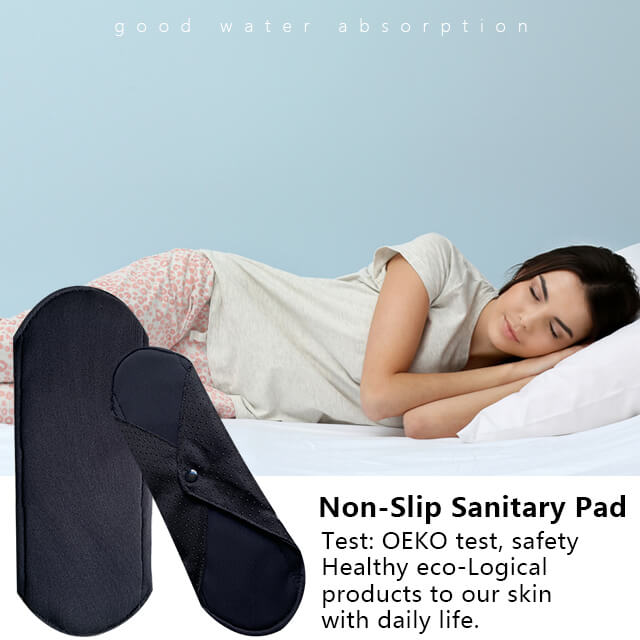
- Top Layer: The top layer is the side that comes in direct contact with the skin. Many conventional pads use synthetic materials like polyethylene, which might cause discomfort or irritation for some individuals.
- Absorbent Core: This layer is responsible for soaking up menstrual fluid. Traditional pads often contain a blend of wood pulp and superabsorbent polymers, which can raise concerns about environmental impact and potential exposure to chemicals.
- Backing Layer: The backing layer prevents leakage. It’s typically made from plastic materials, which can contribute to waste accumulation in landfills.
Types of Pads: Conventional vs. Organic vs. Cloth:
- Conventional Pads: These are the most common and widely available pads. They are often made with synthetic materials and may contain fragrances, dyes, and chemicals that can cause skin irritation or allergies. Moreover, their environmental impact raises concerns due to the materials used and the disposal of plastic-based components.
- Organic Pads: Organic pads are designed to minimize exposure to synthetic chemicals. They use organic cotton or other natural materials for the top layer and absorbent core, reducing the risk of skin reactions.
- Cloth Pads: Cloth pads are reusable alternatives to disposable options. They are typically made from natural fibers such as cotton or bamboo and come in various sizes and levels of absorbency. Cloth pads are washable, making them more environmentally friendly.
Health Considerations:
- Skin Sensitivity: For individuals with sensitive skin or allergies, choosing pads with natural and hypoallergenic materials can help prevent irritation.
- Chemical Exposure: Conventional pads may contain synthetic fragrances, dyes, and chemicals. Organic and cloth pads are generally free from these additives, reducing the risk of exposure.
- Breathability: Natural and organic materials provide better breathability, reducing the likelihood of moisture buildup and discomfort.
Environmental Impact:
- Disposable vs. Reusable: Conventional pads contribute to landfill waste due to their disposable nature. Reusable cloth pads and organic options help minimize waste accumulation.
- Biodegradability: Organic pads made from biodegradable materials break down more easily in landfills compared to conventional pads.
Making Informed Choices:
- Read Labels: Carefully read product labels to understand the materials used and any added fragrances or chemicals.
- Research Brands: Investigate brands that prioritize natural and organic materials, as well as those committed to ethical and sustainable practices.
- Consider Your Needs: Choose pads that align with your comfort, absorbency, and lifestyle preferences.
- Trial and Error: It might take some experimentation to find the pads that work best for your body and needs.
sanitary pads Conclusion:
The world of feminine hygiene products has expanded to include a variety of choices, with sanitary pads being a staple option. Making informed decisions about which pads are safe to use involves understanding their components, potential health implications, and environmental impact. As consumers become more conscious of their well-being and the planet, options like organic and cloth pads have gained popularity. By prioritizing comfort, health, and sustainability, individuals can navigate the landscape of feminine hygiene and select pads that not only offer protection but also contribute positively to their overall well-being and the environment.