

Introduction to Baby Cloth Diapers
Rule 1: Environmentally Friendly Choices
In recent years, there has been a clear shift in parenting choices towards more sustainable and environmentally friendly options. One of the most prominent options in this movement is the adoption of cloth diapers, also called cloth diapers, as a more environmentally friendly alternative to disposable diapers. This article will take a deep dive into the world of cloth diapers, highlighting their eco-friendly properties and the reasons behind the increasing number of parents opting for cloth diapers to reduce their environmental impact.
The Rise of the Cloth Diaper
The choice to use cloth diapers isn’t just a matter of fashion or nostalgia; it’s a statement of environmental responsibility. Disposable diapers, mainly made from non-biodegradable materials such as plastics and chemicals, have long been a concern for their impact on landfills and the environment. Growing awareness of these issues has led many parents to explore other diaper options.
The environmental impact of disposable diapers
Disposable diapers have a substantial environmental footprint. They cause landfills to overflow and take hundreds of years to fully decompose. In addition, the manufacturing process of disposable diapers consumes a lot of resources and creates pollution. Chemicals in disposable diapers may also leach into the soil and water, posing health and environmental risks.
Cloth Diapers: The Eco-Friendly Solution
On the other hand, cloth diapers are reusable and washable, reducing the need for constant disposal. They’re available in a variety of materials, such as organic cotton, bamboo and hemp, which are more sustainable options. Opting for cloth diapers can significantly reduce your baby’s contribution to landfill waste and reduce the environmental impact of diaper production.
Financial Benefits and Environmental Impact
In addition to the ecological advantages, cloth diapers can also provide parents with significant cost savings. While the initial investment may be higher than disposable diapers, cloth diapers can be used for multiple children and often last for years with proper maintenance. The savings become especially apparent over time, making it a financially sensible choice.
The Convenience of Cloth Diapers
Modern cloth diapers have come a long way since the bulky cloth diapers of yesteryear. They now feature an innovative design with easy snap or velcro closure and adjustable size to ensure a snug and comfortable fit for your baby. With the right daily care and preparation, cloth diapers can be as convenient as disposable diapers.
As our society becomes more environmentally conscious, many parents are opting for cloth diapers as a way of minimizing their household’s ecological footprint. Not only are these reusable diapers eco-friendly, but they’re also cost-effective in the long run. In this growing trend of eco-parenting, cloth diapers symbolize a commitment to a more sustainable future for our children. In the following chapters, we’ll look at the different types of cloth diapers, how to choose the right one for your baby, and the basic care and maintenance involved in choosing this eco-friendly diaper.
Types of Cloth Diapers
No. 2: Pocket and All-in-One PCs
When it comes to cloth diapers, the options can be dizzying. Modern cloth diapers offer a variety of options to suit different preferences and needs. In this chapter, we will explore two popular types of cloth diapers: pocket diapers and all-in-one diapers (AIO). Knowing their features and benefits can help you make an informed choice for your baby.
Pocket Diapers: Convenient & Customizable & Design & Features
Pocket diapers are a versatile and customizable option. They consist of a waterproof shell and an inner pocket where you can insert an absorbent liner or pad. These diapers usually have adjustable snap or velcro closures to keep your baby secure and comfortable.
advantage
Customizable Absorbency: One of the great advantages of pocket diapers is the ability to customize the absorbency to your baby’s needs. You can use different types of inserts or combine them to adjust the level of absorption for day and night use.
QUICK DRYING: Because the absorbent liner is separated from the shell, pocket diapers typically dry faster than all-in-one diapers.
LONG LASTING: When cared for properly, pocket diapers can be used by multiple children and are a cost-effective option.
All-in-One (AIO): Ease of Use & Design & Features
As the name suggests, all-in-one cloth diapers are designed to be simple. They consist of a single piece that combines a waterproof outer shell and an absorbent inner layer into one. AIOs often have adjustable size options to accommodate your baby’s growth.
advantage
EASY TO USE: AIOs are as easy to use as disposable diapers. There are no separate inserts to deal with, making diaper changes quick and easy.
CONVENIENT: These diapers are a favorite of daycare providers and caregivers who may not be familiar with cloth diapers. They are as easy to wear as disposables.
Leakproof: AIO is known for its excellent leakproof protection due to its all-in-one design.
Choosing Between Pocket Diapers and AIOs
The decision between pocket diapers and all-in-one diapers ultimately comes down to your preferences and priorities. Consider the following factors:
Customization: If you like the flexibility to customize your absorbency, pocket diapers may be the option for you.
Convenience: If ease of use and a disposable diaper-like changing experience are important, an all-in-one may be the best choice.
Drying time: If drying time is your concern, pocket diapers usually dry faster due to their separate components.
Budget: While both options are cost-effective in the long run, pocket diapers may save you more money, especially if you plan to reuse them for multiple children.
Whether you choose pocket diapers or all-in-one diapers, you’re making a sustainable choice for your baby. These cloth diaper options provide an eco-friendly, cost-effective and comfortable solution to diapering. In the next chapter, we’ll discuss how to choose the right cloth diaper for your baby, taking into account factors such as size, material, and absorbency.
Choosing the Right Cloth Diaper

No. 3: Find the perfect fit
Choosing the right cloth diaper for your baby is a crucial decision for environmentally conscious parents. Not only does it reduce the environmental impact of disposable diapers, it also ensures your baby stays comfortable and dry. In this article, we’ll guide you in finding the perfect cloth diaper, taking into account factors like size, material, and absorbency.
Size Matters:
One of the most important aspects of choosing a cloth diaper is finding the right size for your baby. An ill-fitting diaper can cause leakage and discomfort. Here’s how to determine the correct size:
Weight and age: Many cloth diaper brands provide weight and age recommendations on their packaging. These can serve as a useful starting point.
Measure your baby’s size: For more accuracy, measure your baby’s waist and thighs. Most cloth diapers have adjustable snap or Velcro tabs for a custom fit.
Growth prediction: Consider your baby’s growth rate. Some parents prefer to buy adjustable diapers that can grow with the child.
Matter of matter:
Cloth diapers come in a variety of materials, each with its own unique benefits:
Cotton: Soft and breathable, cotton diapers are a popular choice. They are absorbent and easy to clean.
Bamboo: Bamboo is a sustainable and highly absorbent material. It also has natural antibacterial properties.
Hemp: Hemp diapers are known for their superior absorbency. They will become more absorbent with each wash, but may feel a little rough initially.
Microfiber: Microfiber diapers are very absorbent, but may not be as breathable as natural fibers.
Synthetic fibers: Some cloth diapers use synthetic materials such as PUL (polyurethane laminate) to repel water. These are easy to use and clean.
Hybrid options: Some brands offer hybrid diapers that combine different materials for optimal performance and sustainability.
Choose materials that suit your baby’s needs and meet your environmental goals.
Absorbency and Insert:
The absorbency of cloth diapers is crucial to keeping your baby dry. Most cloth diapers come with pads that can be customized with different levels of absorbency:
Prefolded: These are basic rectangular inserts that can be folded to provide more absorbency when needed.
Insert type: Look for diapers with a variety of insert options, such as microfiber, bamboo, or hemp, allowing you to adjust the absorbency as your baby grows.
Nighttime Diapers: For nighttime use, consider a more absorbent diaper or add an extra insert.
Easy to use:
Cloth diapers have come a long way in terms of convenience. Look for the following functions:
One-Piece Diapers: These diapers have an attached absorbent layer that makes them easy to use like disposable diapers.
Pocket diaper: This diaper has a pocket where you can insert the absorbent layer. They offer customization and faster drying times.
Snap or Velcro closure: choose the closure system that works best for you.
Brand reputation and reviews:
Do your research and read reviews on different cloth diaper brands. Join the online parenting community for advice from experienced cloth diaper parents.
Trial and error:
Sometimes, finding the perfect cloth diaper can take some trial and error. Start by shopping for a few different brands or styles to see what works best for your baby and your lifestyle. Choosing the right cloth diaper is an important decision for both your baby’s comfort and environment. When choosing, consider size, material, absorbency, ease of use, and brand reputation. By taking the time to find the perfect fit, you’ll ensure your baby stays dry and happy while reducing your ecological footprint.
Cloth Diaper Care and Maintenance

Article 4: Cloth Diaper Care
Congrats on choosing cloth diapers for your baby! Now that you’ve made the environmentally friendly choice, it’s important to know how to properly care for cloth diapers. In this article, we’ll take a deep dive into the basics of cloth diaper care, including washing procedures, proper storage, and maintaining their useful life.
Washing program:
Maintaining the correct washing program is key to keeping cloth diapers clean and odor-free:
Prep the diaper: Before using a new cloth diaper, wash it at least once to remove any residue from the manufacturing process.
Removal of Solids: After use, remove any solid waste from the diaper and rinse with cold water. You can use a diaper sprayer for convenience.
Storage: Store soiled diapers in a dry bucket or wet bag to prevent odor and mildew.
Washing Frequency: Wash cloth diapers every 2-3 days to keep stains and odors at bay.
Detergent Choices: Use a cloth diaper-specific detergent or a mild, fragrance-free detergent. Avoid using fabric softeners as they reduce absorbency.
Wash temperature: Follow manufacturer’s recommended water temperature. A thorough cleaning with warm or hot water is usually recommended.
Extra Rinse: The Extra Rinse cycle helps ensure that all detergent residue is removed.
To dry cloth diapers:
Proper drying is essential to maintaining the quality of cloth diapers:
Dry: Sunlight is a natural disinfectant and stain remover. Hanging diapers out of direct sunlight can help remove stains and kill germs.
Machine drying: If hanging to dry is not an option, machine dry the diaper on low heat. Avoid heat as it can damage the elastic and waterproof layers.
Avoid Dryer Sheets: Do not use dryer sheets as they can leave a residue on the diaper.
Stain and Odor Control:
Treating stains and odors is part of cloth diaper care:
Removing Stains: Drying diapers can help remove stains naturally. You can also try using a cloth diaper-specific stain remover.
Odor Control: Adding a few drops of tea tree or lavender oil to your final rinse can help control odor. Make sure your baby does not develop a skin allergy to these oils.
Maintain longevity:
To get the most out of cloth diapers and ensure that they can be used by multiple children:
Rotate diapers: If you have a pile of cloth diapers, rotate them to distribute the wear evenly.
Check Elastics and Snaps: Regularly inspect elastics and snaps for signs of wear. Replace worn parts as needed.
Avoid Harsh Products: Don’t use bleach or harsh stain removers too often, as they can deteriorate fabrics and elastics over time.
CLEAN AND DRY STORAGE: When not in use, store cloth diapers in a cool, dry place to prevent mold growth.
Consider liners: Using a disposable or reusable liner can help protect the diaper from stains and make cleaning easier.
Caring for cloth diapers is a manageable task, and with the right habits, your diapers will stay clean, fresh, and functional for years to come. Proper washing, drying, stain and odor removal, and general maintenance are the keys to maximizing the life of cloth diapers. By following these guidelines, you can continue to enjoy the benefits of environmentally friendly diapers while keeping your baby comfortable and healthy.
Benefits of Cloth Diapers
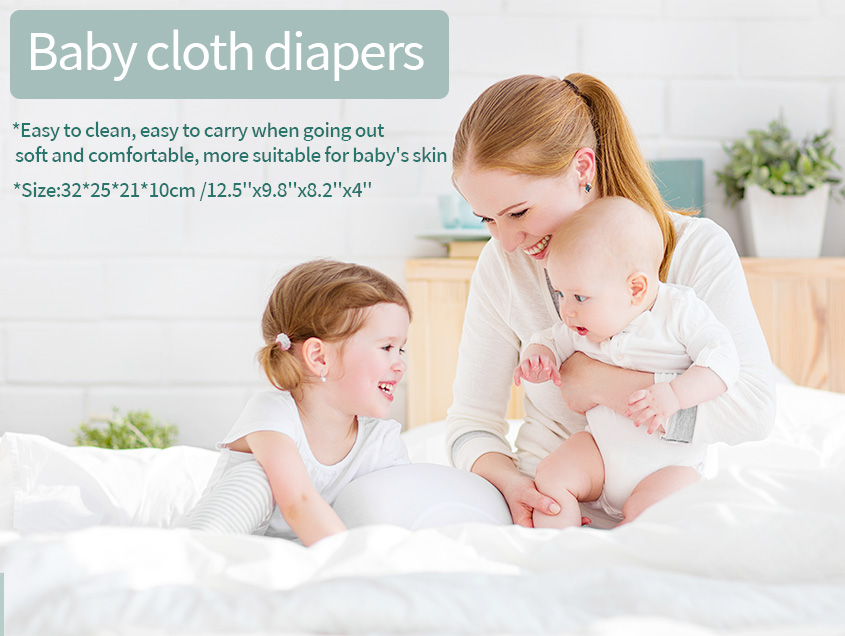
Number 5: Cost-effective diapers
While cloth diapers require an initial investment, they can prove to be a cost-effective diapering option over time. In this article, we dive into the financial advantages of using cloth diapers, explaining how they can save parents money in the long run.
Early investment:
It’s true that buying a set of cloth diapers can be more expensive than buying disposable diapers initially. However, it must be viewed as a long-term investment.
Reusable: Cloth diapers last for years and are a one-time purchase for most families. With proper care, they can be used for multiple children.
ADJUSTABLE SIZING: Many cloth diapers come with adjustable sizing options so you don’t have to buy different sized diapers as your baby grows.
Cost savings over time & The real savings of cloth diapers become apparent when you compare the ongoing costs to disposable diapers:
One-time costs: An average baby uses 6-10 disposable diapers per day. Over a three-year period (average diaper change cycle), this adds up to thousands of dollars.
Laundry costs: Cloth diapers do require laundering, but the cost of water and detergent is relatively low compared to the ongoing costs of disposable diapers.
Reusable nature: As mentioned above, cloth diapers can be used by multiple children, which reduces the need to purchase new diapers for subsequent siblings.
Reduce environmental impact:
While not a direct financial benefit, it’s worth noting that cloth diapers help save on environmental impact costs. By choosing fabric over disposables, you reduce the amount of waste sent to landfill, which can have long-term ecological and financial impacts on the community.
Resale value:
Once your child is outgrown and cloth diapers are no longer necessary, you may choose to sell them to recoup some of your initial investment. High-quality cloth diapers with ample lifespan are often popular on the resale market and can command a decent price.
Extra Savings:
Cloth diapers can save you extra money in a number of ways:
Reduced occurrences of diaper rash: Cloth diapers may reduce occurrences of diaper rash, thereby reducing the need for diaper creams and ointments.
Fewer nighttime diaper changes: Cloth diapers tend to be more absorbent, which means fewer nightly diaper changes, saving time and money.
Government Incentives:
In some areas, the government may offer incentives or rebates for choosing environmentally friendly diaper options such as cloth diapers. Check with your local government or diaper bank for possible assistance programs.While cloth diapers do require an initial investment and some effort in cleaning and maintenance, they can offer substantial long-term cost savings over disposable diapers. Not only will you reduce your environmental impact by switching to cloth diapers, but it will save you even more money during the diaper years. It’s a decision that’s good for your family’s finances and the planet.
Environmental Impact and Sustainability
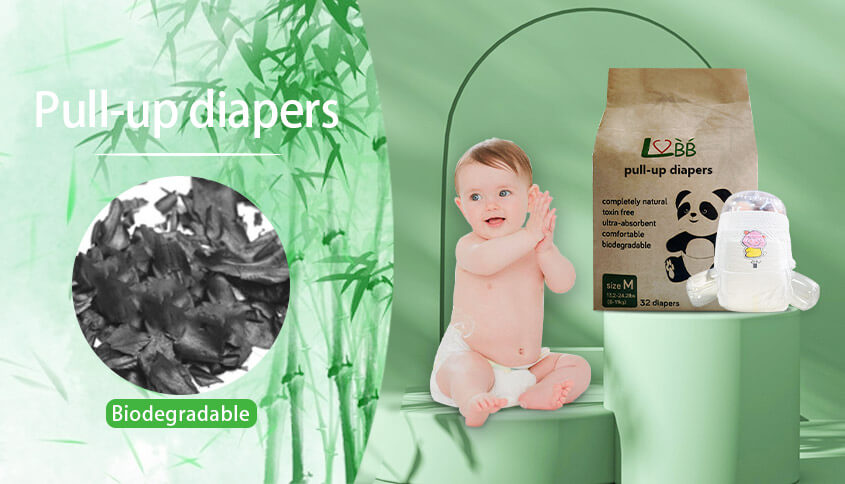
Article 6: Sustainable diapers
In this chapter, we explore the environmental benefits of cloth diapers and how they can contribute to a more sustainable and environmentally friendly approach to diapering. By choosing cloth diapers, parents can play a vital role in reducing waste and promoting a greener future.
Reduce landfill waste:
One of the most notable environmental benefits of cloth diapers is their contribution to reducing landfill waste:
Disposable diapers: On average, a disposable diaper can take up to 500 years to decompose in a landfill. Billions of diapers are thrown away every year, causing serious environmental problems.
Cloth diapers: Cloth diapers are reusable and last for years, greatly reducing the amount of diaper waste sent to landfill. The reduction in waste helps save landfill space and prevents harmful chemicals from leaching into the soil.
Save energy and resources:
Cloth diapers also require fewer resources and energy to produce than disposable diapers:
Production impact: Disposable diapers use a lot of water, energy and raw materials during their production. Cloth diapers, on the other hand, are a one-time purchase that can be used by multiple children.
Less Shipping: Due to the superior absorbency of cloth diapers, fewer diaper changes are required, reducing shipping-related carbon emissions.
Reduce Chemical Exposure:
Disposable diapers often contain chemicals like dioxins, phthalates, and fragrances that are harmful to babies and the environment. Cloth diapers are often free of these harmful additives, reducing your child’s and the planet’s exposure to chemicals.
Sustainable Materials:
Many cloth diaper brands prioritize sustainable materials in production:
Organic fabrics: Some cloth diapers are made from organic cotton or bamboo, materials grown without the use of harmful pesticides or fertilizers.
REUSABLE COMPONENTS: The longevity of cloth diapers means fewer diapers end up in landfills and use fewer resources over time.
Water and Energy Efficiency:
While cloth diapers do require water to wash, modern washing machines are designed to be energy and water efficient:
Efficient Machines: Using a high-efficiency washing machine can significantly reduce water and energy consumption during the washing process.
Drying: Drying cloth diapers is an environmentally friendly alternative to using a dryer, saving energy and money.
Supporting the circular economy:
Cloth diapers are a great example of a circular economy, with products designed with a focus on durability, reusability and minimizing waste. When parents choose cloth diapers and care for them properly, they contribute to a more sustainable consumption cycle.Choosing cloth diapers is a strong and environmentally responsible decision that can significantly reduce waste, conserve resources, and create a more sustainable future for our children. By adopting sustainable diaper practices, parents not only reduce their carbon footprint, but also set an example of responsible consumerism for the next generation. It’s a small change that can make a huge difference in protecting our planet for future generations.
Cloths vs Disposables: A Comparison
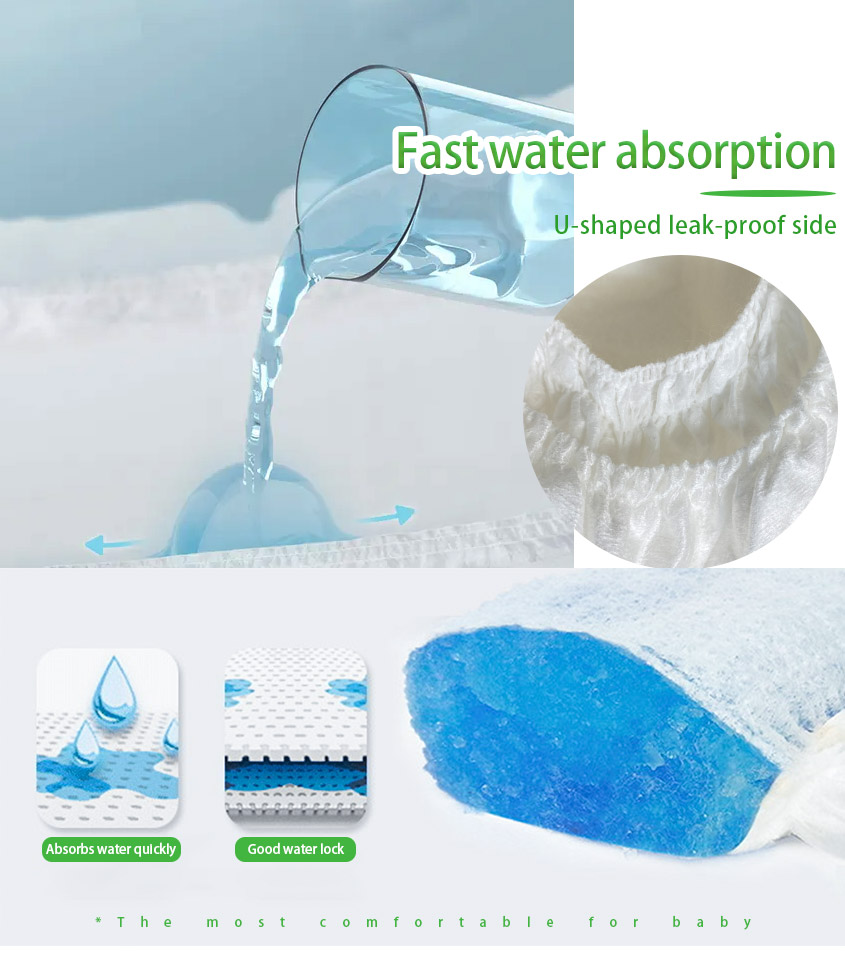
Item 7: Weighing Options
For parents, choosing between cloth diapers and disposables is a big decision. In this article, we’ll provide a thorough comparison of the two options, taking into account various factors including cost, convenience, environmental impact, and health. By weighing the pros and cons, you can make an informed choice that matches your family’s needs and values.
Cloth Diapers: Although cloth diapers have a higher initial cost, they are a one-time investment. They can be more cost-effective in the long run, especially when used with multiple children.
Disposable diapers: Disposable diapers have a low upfront cost, but can become a huge ongoing expense, adding up to thousands of dollars over the course of a diaper year.
Impact on the environment:
Cloth diapers: Cloth diapers are reusable and generate significantly less waste. They reduce their environmental impact by reducing the amount of diapers sent to landfills and minimizing resource consumption.
Disposable diapers: Disposable diapers generate a lot of non-biodegradable waste that takes centuries to decompose and requires a lot of resources to produce.
convenient:
Cloth diapers: Cloth diapers require periodic laundering, which may be considered inconvenient. Modern cloth diapers, however, come in user-friendly styles with snap or Velcro closures, making them easier to use.
Disposable Diapers: Disposable diapers are famous for their convenience. Simply use and discard. They’re ideal for busy parents or while traveling.
Health considerations:
Cloth diapers: Cloth diapers are generally free of chemicals, fragrances, and dyes. Due to the increased breathability, they reduce the risk of diaper rash.
Disposable diapers: Some disposable diapers contain chemicals, fragrances, and dyes that can irritate babies’ sensitive skin. Many disposable diaper brands, however, offer hypoallergenic options.
Absorbency:
Cloth diapers: Cloth diapers come in different levels of absorbency, and you can customize them by adding inserts. They tend to be more absorbent than disposable nappies.
Disposable Diapers: Disposable diapers are highly absorbent, convenient for overnight and prolonged use.
Sustainability:
Cloth diapers: Cloth diapers support the circular economy, with products designed for durability and reusability. They comply with sustainable practices and can be passed down or resold.
Disposable diapers: Disposable diapers are a single-use product that leads to a linear economy and resource depletion.
Sizes and Styles:
Cloth diapers: Cloth diapers often have adjustable sizes to allow for a better fit as your baby grows.
Disposable diapers: Disposable diapers come in many sizes, but as your baby grows, you will need to buy new ones for each size.
Impact on landfills:
Cloth diapers: Cloth diapers reduce the load on landfills because they are long-lasting.
Disposable diapers: Disposable diapers account for a large portion of landfill waste and cause long-term environmental problems.
The choice between cloth and disposable diapers ultimately comes down to your family’s priorities, lifestyle, and values. Cloth diapers are cost-effective, environmentally friendly, and gentler on your baby’s skin. Disposable diapers, while convenient, have higher long-term costs and a greater impact on the environment. By carefully considering the factors listed above, you can make an informed decision that best suits your family’s needs.
Tips and Tricks for Cloth Diaper Success

Item 8: The Cloth Diaper Hack
Using cloth diapers can be a rewarding option for parents, but it also has a learning curve. In this article, we’ll share some practical tips and tricks, or “cloth diaper tips,” to help make your cloth diapering journey a smoother and more enjoyable experience. From cleaning to troubleshooting common problems, these tips will make your experience a breeze.
Storing dirty diapers:
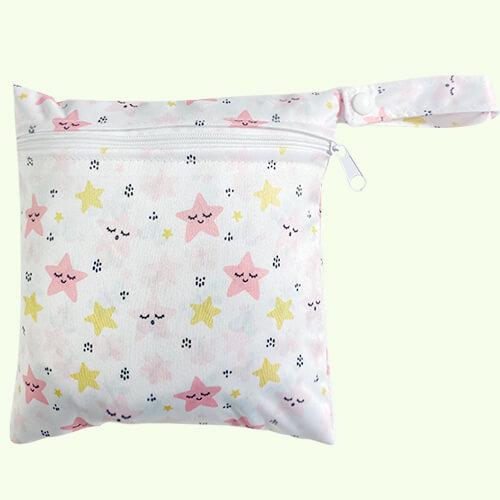
Use the dry bucket or zippered wet bag to store soiled diapers until wash day. Adding a few drops of tea tree oil or lavender oil can help control the smell.
Prevent leaks:
Make sure the legs and waist fit snugly to prevent leakage. Check carefully to see if the diaper is too tight or too loose. Consider using diaper liners for added absorbency, especially at night.
To treat stains:
Sun exposure is a great natural way to remove stains. Hanging a stained diaper out of direct sunlight will help lighten the stain.
For tough stains, try a paste of baking soda and water or a diaper-safe stain remover.
Optimal Absorption Rate:
Add or remove inserts as needed to customize the absorbency of the cloth diaper. For heavy humidors, use multiple inserts.
Try a bamboo or hemp insert for higher absorbency during longer stretches.
Fastening cloth diapers:
If using diapers with snap buttons, remember to criss-cross them for a secure fit on smaller babies. A handy tool for securing pre-folded or flat cloth diapers for a snug fit without the need for pins.
Nighttime diaper changes:
Use cloth diapers that are designed for nighttime use. They usually have more layers for added absorbency.
Consider a fleece diaper cover, which is naturally breathable and ideal for overnight use.
On-the-go cloth diapers:
Invest in a wet bag when you’re out and about. It’s a convenient way to stash away soiled diapers until you get home.
Bring extra cloth diapers, a changing pad and a small spray bottle for easy diaper changes on the go.
Washing program:
Rinse soiled diapers promptly to prevent stains from penetrating. Add a prewash cycle to your daily wash for a thorough clean. Use a cloth diaper-friendly cleaner and follow the manufacturer’s recommended water temperature.
To prevent diaper rash:
Use a cloth diaper-friendly diaper cream or apply a thin layer of coconut oil to create a protective barrier on your baby’s skin. Change your baby’s diaper regularly to keep your skin dry and prevent diaper rash.
Maintenance and lifespan:
Regularly inspect the elastics and snaps for wear. Replace any worn parts promptly. Rotate your cloth diaper storage compartment to even out the wear.
Embarking on a journey to cloth diapers can be a satisfying and sustainable option for your family. By implementing these practical cloth diapering tips, you’ll not only save money and reduce waste, but you’ll also ensure a comfortable and enjoyable experience for you and your baby. Remember, every baby is unique, so don’t be afraid to adjust your routine and try new approaches until you find what works best for your family. Happy Cloth Diapers!