

Cloth diapering has experienced a resurgence in popularity in recent years and for good reasons. It’s eco-friendly and cost-effective, and many parents find it gentler on their baby’s skin. However, one aspect of cloth diapering that can be a bit overwhelming for new parents is choosing the right cloth diaper liners. With so many options available, it can be challenging to determine which liner will best meet your baby’s needs. In this comprehensive guide, we’ll walk you through everything you need to know to select the perfect cloth diaper liner for your little one.
Understanding Cloth Diaper Liners
Before diving into the specifics, it’s essential to understand what a cloth diaper liner is and why it’s an integral part of the cloth diapering process. A cloth diaper liner is a thin layer of material that sits between your baby’s skin and the cloth diaper. Its primary function is to capture solid waste, making cleanup easier and helping to prevent stains and odors. Liners can also provide an additional layer of absorbency, which can be beneficial for heavy wetters or overnight use.
Types of Cloth Diaper Liners
There are several types of cloth diaper liners available on the market, each with its unique features and benefits. Understanding the differences between these liners will help you make an informed decision.
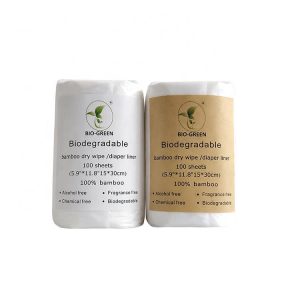
- Disposable Liners: These liners are designed to be used once and then discarded. They are typically made from biodegradable materials and are excellent for parents who want a convenient option for dealing with solid waste. Disposable liners are thin and can be flushed down the toilet, making cleanup a breeze.
- Reusable Liners: As the name suggests, reusable liners can be washed and reused multiple times. They are often made from natural fibers like cotton or bamboo, which are soft against your baby’s skin and highly absorbent. Reusable liners are a cost-effective and eco-friendly option but require regular washing.
- Fleece Liners: Fleece liners are made from synthetic materials like polyester and are known for their moisture-wicking properties. They help keep your baby’s skin dry by pulling moisture away from the skin and into the absorbent layers of the diaper. Fleece liners are a popular choice for babies with sensitive skin or those who are prone to diaper rash.
- Stay-Dry Liners: Stay-dry liners are similar to fleece liners but are often made from microfiber or other high-tech fabrics. They provide a stay-dry feeling against your baby’s skin, making them ideal for overnight use or for babies who are sensitive to wetness.
Factors to Consider When Choosing a Cloth Diaper Liners
When selecting a cloth diaper liners for your baby, there are several factors you should consider to ensure you choose the right one for your needs.
- Material: The material of the liner is perhaps the most crucial factor to consider. Natural fibers like cotton or bamboo are soft, breathable, and gentle on your baby’s skin. Synthetic materials like polyester and microfiber offer moisture-wicking properties but may not be as comfortable for sensitive skin.
- Absorbency: The absorbency of the liner will determine how well it captures moisture and prevents leaks. For heavy wetters or overnight use, you’ll want a liner with high absorbency. Reusable and fleece liners are generally more absorbent than disposable liners.
- Ease of Use: Consider how easy the liner is to use and clean. Disposable liners offer convenience but can become costly over time. Reusable liners require regular washing but are more cost-effective in the long run.
- Skin Sensitivity: If your baby has sensitive skin or is prone to diaper rash, you’ll want to choose a liner made from soft, natural fibers that won’t irritate their skin. Fleece and stay-dry liners are often a good choice for babies with sensitive skin.
- Size and Fit: Make sure the liner you choose fits well inside your baby’s cloth diaper. Some liners are designed to be trim-fitting, while others are more bulky. It’s essential to choose a liner that fits comfortably and doesn’t cause gaps or leaks.
Tips for Using Cloth Diaper Liners
Once you’ve chosen the right cloth diaper liner for your baby, here are some tips to help you get the most out of it:
- Prepping the Liner: Before using a new cloth diaper liners for the first time, it’s a good idea to wash it several times to increase its absorbency. This process, known as “prepping,” will help the liner perform better and prevent leaks.
- Changing Liners Regularly: To prevent diaper rash and maintain good hygiene, it’s essential to change the cloth diaper liner regularly. Disposable liners should be changed after each use, while reusable liners can be changed every 2-3 diaper changes or as needed.
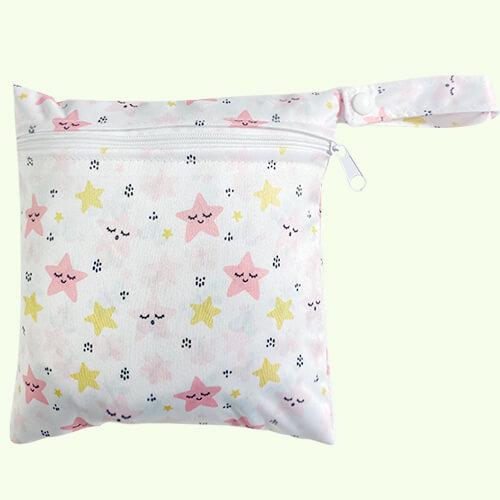
- Storing Dirty Liners: If you’re using reusable liners, store dirty liners in a wet bag or a sealed container until you’re ready to wash them. This will help prevent odors and bacteria from building up.
- Choosing the Right Detergent: When washing reusable liners, choose a detergent that is free from harsh chemicals, fragrances, and dyes. This will help preserve the integrity of the liner and prevent skin irritation.
Conclusion
Choosing the right cloth diaper liners for your baby doesn’t have to be a daunting task. By considering factors such as material, absorbency, ease of use, skin sensitivity, and fit, you can make an informed decision that meets your baby’s needs and fits your lifestyle. Whether you opt for disposable, reusable, fleece, or stay-dry liners, incorporating a liner into your cloth diapering routine can make the process more convenient, comfortable, and hygienic for both you and your baby.
Remember, every baby is unique, so don’t be afraid to try different types of liners to see which one works best for your little one. With a bit of experimentation and patience, you’ll find the perfect cloth diaper liners that keep your baby dry, comfortable, and happy throughout the day and night. Happy cloth diapering!