

As parents, one of the most important decisions we make is choosing the right diaper for our babies. In recent years, there has been a significant shift towards eco-friendly and sustainable options, with bamboo disposable diapers emerging as a popular choice. Combining the convenience of disposables with the environmental benefits of natural materials, bamboo disposable diapers offer a compelling alternative for conscientious parents. This comprehensive guide will delve into the many aspects of caring for your baby with bamboo disposable diapers, exploring their benefits, features, proper usage, and comparisons with traditional diapers.
Understanding Bamboo Disposable Diapers
What Are Bamboo Disposable Diapers?
Bamboo disposable diapers are made primarily from bamboo fibers, which are known for their softness, absorbency, and sustainability. These diapers are designed to provide the convenience of traditional disposable diapers while reducing the environmental impact associated with conventional materials like plastic and synthetic fibers.
Key Features
- Eco-Friendly Materials: Bamboo fibers are biodegradable and sourced from sustainable bamboo plantations, making these diapers an environmentally responsible choice.
- Softness and Comfort: Bamboo is naturally soft and gentle on the skin, reducing the risk of diaper rash and irritation.
- High Absorbency: Bamboo fibers have excellent moisture-wicking properties, keeping your baby dry and comfortable.
- Breathability: The natural breathability of bamboo helps regulate temperature and prevents overheating.
- Hypoallergenic: Bamboo diapers are often free from harsh chemicals, fragrances, and dyes, making them suitable for babies with sensitive skin.
Benefits of Bamboo Disposable Diapers
Environmental Benefits
- Sustainability: Bamboo is one of the fastest-growing plants on Earth, capable of reaching maturity in just a few years. It requires minimal water and no pesticides, making it an eco-friendly raw material.
- Biodegradability: Unlike traditional disposable diapers that can take hundreds of years to decompose, bamboo diapers break down much more quickly, reducing landfill waste.
- Reduced Carbon Footprint: The production process for bamboo diapers generally has a lower carbon footprint compared to synthetic diapers, further contributing to environmental conservation.
Health and Comfort Benefits
- Skin Protection: The softness of bamboo fibers reduces friction and irritation, helping to prevent diaper rash and other skin issues.
- Absorbency: Bamboo can absorb up to three times its weight in water, providing superior absorbency and keeping your baby dry for longer periods.
- Breathability: The natural breathability of bamboo fibers helps regulate temperature and keeps your baby’s skin cool and comfortable.
Convenience and Practicality
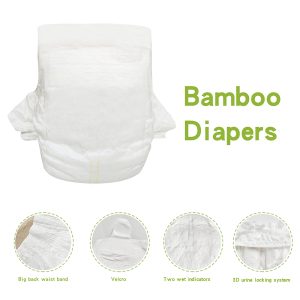
- Ease of Use: Bamboo disposable diapers are as convenient to use as traditional disposables, with easy-to-fasten tabs and a snug fit.
- Availability: Many brands offer bamboo disposable diapers, making them readily available in stores and online.
- Variety of Sizes: These diapers come in a range of sizes to fit babies of all ages and stages.
Choosing the Right Bamboo Disposable Diaper
Factors to Consider
- Absorbency: Ensure the diaper can handle your baby’s wetness level, especially for overnight use.
- Fit and Comfort: Look for diapers with stretchy sides and a snug fit to prevent leaks and ensure comfort.
- Chemical-Free: Choose diapers free from chlorine, fragrances, and dyes to avoid irritation and allergic reactions.
- Cost: While bamboo diapers may be slightly more expensive than traditional disposables, consider the long-term environmental and health benefits.
- Reviews and Recommendations: Check reviews from other parents to find the most reliable and effective brands.
Proper Usage and Care of Bamboo Disposable Diapers
Changing the Diaper
- Preparation: Ensure you have all the necessary supplies within reach, including clean diapers, wipes, and diaper cream if needed.
- Removing the Dirty Diaper: Carefully unfasten the diaper tabs and gently lift your baby’s bottom to remove the diaper. Use wipes to clean the diaper area thoroughly.
- Applying a New Diaper: Place the clean diaper under your baby, ensuring the back is aligned with the waist. Pull the front up between the legs and fasten the tabs securely but comfortably around the waist.
Disposal
- Dispose of Solid Waste: If possible, dispose of any solid waste in the toilet before discarding the diaper.
- Biodegradable Disposal Bags: Use biodegradable disposal bags to further reduce environmental impact.
- Composting: Some bamboo diapers are compostable. Check with the manufacturer and your local composting facility for guidelines on composting used diapers.
Preventing Diaper Rash
- Frequent Changes: Change diapers regularly to keep your baby’s skin dry and reduce the risk of diaper rash.
- Skin Care: Use a gentle, hypoallergenic diaper cream to protect your baby’s skin from moisture and irritation.
- Proper Fit: Ensure the diaper fits well without being too tight, which can cause chafing and discomfort.
Travel Tips
- Packing: Pack enough diapers, wipes, and disposal bags for the duration of your trip. Include a few extras in case of emergencies.
- Portable Changing Pads: Carry a portable changing pad to provide a clean surface for diaper changes on the go.
- Sealable Bags: Use sealable bags to store used diapers until you can dispose of them properly.
Comparing Bamboo Disposable Diapers to Traditional Diapers
Environmental Impact
- Bamboo Diapers: Made from sustainable materials, they are biodegradable and often compostable, reducing landfill waste.
- Traditional Diapers: Made from synthetic materials like plastic and SAP (superabsorbent polymers), which can take hundreds of years to decompose.
Health and Comfort
- Bamboo Diapers: Hypoallergenic, soft, and breathable, making them ideal for sensitive skin.
- Traditional Diapers: May contain chemicals, dyes, and fragrances that can cause irritation and allergic reactions.
Cost Considerations
- Bamboo Diapers: Slightly more expensive due to the cost of sustainable materials and production processes.
- Traditional Diapers: Generally cheaper but may result in higher long-term costs due to health issues and environmental impacts.
Absorbency and Performance
- Bamboo Diapers: Highly absorbent and effective at keeping babies dry for longer periods.
- Traditional Diapers: Also absorbent but may not offer the same breathability and skin-friendly properties as bamboo.
Addressing Common Concerns
Are Bamboo Diapers Really Biodegradable?
While many bamboo diapers are marketed as biodegradable, the degree of biodegradability can vary. It’s essential to look for certifications and specific claims from manufacturers. Some bamboo diapers are fully compostable under the right conditions, but it’s always best to check with the brand and local composting guidelines.
Are Bamboo Diapers Safe for Sensitive Skin?
Yes, bamboo diapers are generally considered safe for sensitive skin due to their hypoallergenic properties and absence of harsh chemicals. They are soft and gentle, reducing the risk of irritation and diaper rash.
Do Bamboo Diapers Leak More Than Traditional Diapers?
Bamboo diapers are designed to be highly absorbent and provide excellent leak protection. However, like any diaper, proper fit and regular changes are crucial to preventing leaks. Ensuring the diaper is correctly sized and fitted will help minimize any risk of leakage.
Environmental and Ethical Considerations
Sustainable Sourcing
Bamboo used in these diapers is typically grown in sustainable plantations, without the need for pesticides and with minimal water usage. This makes bamboo a more environmentally friendly option compared to the materials used in traditional diapers.
Reducing Landfill Waste
Using biodegradable and compostable bamboo diapers can significantly reduce the amount of waste that ends up in landfills. This is an important consideration for environmentally conscious parents looking to minimize their ecological footprint.
Ethical Manufacturing Practices
Many brands that produce bamboo disposable diapers are committed to ethical manufacturing practices, ensuring fair labor conditions and environmentally friendly production processes. Supporting these brands can contribute to more sustainable and ethical consumer practices.
Practical Tips for Transitioning to Bamboo Disposable Diapers
Gradual Transition
If you’re switching from traditional to bamboo disposable diapers, consider making a gradual transition. Start by using bamboo diapers during the day while continuing with your usual brand at night. Gradually increase the use of bamboo diapers as you become more comfortable with their performance.
Testing Different Brands
Different brands of bamboo diapers may offer varying levels of absorbency, fit, and comfort. Don’t be afraid to test several brands to find the one that works best for your baby’s needs and your preferences.
Budgeting
While bamboo disposable diapers can be more expensive, consider the long-term benefits and savings from reduced health issues and environmental impact. Look for discounts, bulk purchasing options, and subscription services that can help reduce costs.
Community Support
Join parenting forums and communities to share experiences and get recommendations on the best bamboo diaper brands and practices. This can provide valuable insights and support during the transition.
Conclusion
Caring for your baby with bamboo disposable diapers offers numerous benefits for both your baby and the environment. These diapers provide superior comfort, absorbency, and breathability while significantly reducing the environmental impact associated with traditional disposable diapers. By choosing bamboo, you are making a conscious decision to prioritize your baby’s health and well-being while contributing to a more sustainable future for the planet.
In this comprehensive guide, we’ve explored the various aspects of caring for your baby with bamboo disposable diapers, including their environmental benefits, health advantages, proper usage and care, comparisons with traditional diapers, and practical tips for transitioning to bamboo.