

Menstruation is a natural and essential part of a woman’s life, but the environmental impact of disposable menstrual products has raised concerns globally. Fortunately, there’s a growing trend towards sustainable alternatives that not only reduce waste but also offer comfort, cost-effectiveness, and health benefits. Washable sanitary pads have emerged as a prominent solution, empowering women to embrace eco-friendly menstruation while making a positive impact on the environment.
Understanding the Environmental Impact
The environmental impact of disposable menstrual products cannot be overstated. Every year, billions of pads and tampons end up in landfills, contributing to pollution and harming ecosystems. Traditional pads are primarily made from non-biodegradable materials like plastics and synthetic fibers, which take hundreds of years to decompose. The production process of these disposable products further exacerbates environmental degradation by consuming significant resources and generating carbon emissions.
Enter Washable Sanitary Pads: A Sustainable Alternative
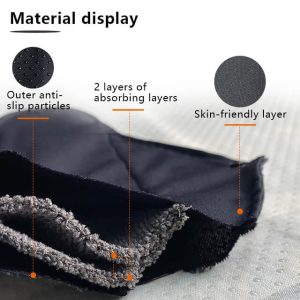
Washable sanitary pads, also known as cloth pads, offer an environmentally friendly and reusable alternative to disposable options. These pads are typically made from soft, absorbent fabrics such as cotton, bamboo, or hemp, making them comfortable and gentle on the skin. Designed to be washed and reused multiple times, they significantly reduce the waste generation associated with menstruation.
Benefits of Embracing Washable Sanitary Pads
- Environmental Sustainability
Switching to washable sanitary pads significantly reduces the environmental footprint of menstrual care. By choosing reusable options, individuals can prevent tons of waste from entering landfills over their lifetime. The long-term impact of this shift towards sustainability is substantial, contributing to a cleaner and healthier planet.
- Cost-Effectiveness
While the initial investment in washable pads may seem higher than buying disposable products, it’s a cost-effective choice in the long run. Reusable pads are durable and can last for several years with proper care, saving users money otherwise spent on monthly purchases of disposable pads or tampons.
- Comfort and Health
Unlike some disposable pads that contain chemicals or artificial fragrances, washable pads are often made from natural materials, reducing the risk of skin irritation or allergic reactions. Their breathability and softness enhance comfort during periods, promoting a healthier menstrual experience.
- Convenience and Accessibility
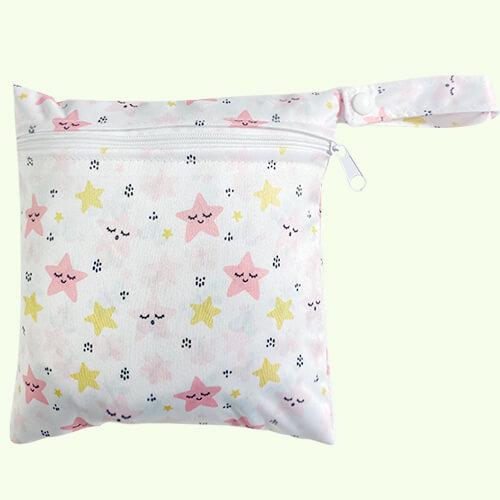
Contrary to common misconceptions, using washable sanitary pads is convenient. Modern designs include features like snap closures and absorbent layers, ensuring a secure fit and reliable protection. Additionally, many brands offer discreet and travel-friendly storage options, making them accessible for women on the go.
Overcoming Challenges and Dispelling Myths
Despite the numerous advantages, some misconceptions surrounding washable pads persist. Concerns about hygiene, washing routines, and leakage are common. However, with proper care and maintenance, these challenges can be addressed effectively.
Hygiene and Washing
Maintaining hygiene with washable sanitary pads is simple. After use, pads can be rinsed in cold water to prevent staining and then washed in the machine or by hand using mild detergent. Proper drying ensures their cleanliness and longevity.
Leakage Concerns
Modern washable sanitary pads are designed with multiple absorbent layers and leak-resistant materials, offering reliable protection similar to disposable options. Users can choose different sizes and absorbencies according to their flow, minimizing any potential leakage.
Embracing Change for a Greener Future
The decision to switch to washable sanitary pads is a step towards sustainable menstruation and a healthier environment. It empowers individuals to take control of their menstrual health while contributing positively to the planet. Moreover, advocating for eco-friendly menstrual products promotes awareness and encourages others to make environmentally conscious choices.
Addressing Common Concerns and Further Considerations
Environmental Impact Comparison
Comparing the ecological footprint of washable sanitary pads to disposable options provides insight into their significance. Studies show that the production and disposal of disposable menstrual products create a substantial carbon footprint. In contrast, the environmental impact of washable pads primarily relates to their production and washing, which, over time, is significantly lower compared to the continuous production and disposal of disposables.
Accessibility and Education
Promoting the use of washable sanitary pads requires education and awareness campaigns. Providing accessible information about their benefits, usage, and proper maintenance is crucial. Moreover, making these products more accessible and affordable to all socioeconomic groups ensures inclusivity and widespread adoption.
Sustainable Menstruation Movements
Around the world, various organizations and initiatives are advocating for sustainable menstrual practices. From educational programs to policy advocacy, these movements aim to eliminate the taboo associated with menstruation and promote eco-friendly alternatives, including washable sanitary pads, for a more sustainable future.
Corporate Responsibility and Innovation
Encouraging corporate responsibility among menstrual product manufacturers is pivotal. Companies can invest in research and development to create more eco-friendly options, supporting the shift towards sustainable menstruation. Collaboration between businesses, policymakers, and environmental organizations is essential to driving this change.
Conclusion
Eco-friendly menstruation through the adoption of washable sanitary pads is a pivotal shift in promoting sustainable living. By choosing reusable menstrual products, individuals can reduce waste, save money, and prioritize comfort and health during their periods. Embracing this change not only benefits the environment but also empowers women to make informed choices about their menstrual care, contributing to a greener and more sustainable future.
As we navigate the path towards environmental consciousness, embracing washable sanitary pads is a significant stride towards a cleaner, healthier planet—one period at a time.