

Washable breast pads are becoming increasingly popular among breastfeeding mothers for several reasons. They are eco-friendly, cost-effective, and often more comfortable than their disposable counterparts. However, to ensure that these pads remain effective and hygienic, proper care is essential. In this article, we will delve into easy-care tips for washable breast pad to help you maintain their quality and prolong their lifespan.
Why Choose Washable Breast Pads?
Before diving into care tips, let’s briefly discuss why many mothers are opting for washable breast pad over disposable ones.
- Eco-Friendly: One of the most compelling reasons to choose a washable breast pad is its environmental impact. Disposable pads contribute to landfill waste, whereas washable pads can be reused multiple times, reducing your carbon footprint.
- Cost-Effective: While the initial cost of washable breast pad may be higher than disposable ones, they prove to be more economical in the long run. They can last for several years with proper care, saving you money in the long term.
- Comfort: Washable breast pads are often made from soft, breathable materials that are more comfortable against the skin. They are also less likely to cause irritation or allergic reactions.
Easy Care Tips for Washable Breast Pad
Proper care of washable breast pad ensures their longevity and maintains their absorbency and hygiene. Here are some easy care tips to help you keep your washable breast pads in optimal condition:
- Pre-Washing
Before using your washable breast pad for the first time, it’s essential to pre-wash them. This helps to remove any manufacturing residues and prepares the pads for optimal absorbency.
How to Pre-Wash:
- Hand Wash: Soak the pads in cold water for a few hours, then wash them by hand using a gentle detergent.
- Machine Wash: Place the pads in a mesh laundry bag to prevent them from getting lost or damaged in the washing machine. Use a mild detergent and choose a gentle cycle with cold or warm water.
- Washing
After the initial pre-wash, you can include your washable breast pads in your regular laundry routine.
Tips for Washing:
- Frequency: Wash the pads after each use to maintain hygiene and prevent bacterial growth.
- Temperature: Use cold or warm water instead of hot water, as high temperatures can damage the fabric and reduce absorbency.
- Detergent: Opt for a gentle, fragrance-free detergent to avoid irritating the sensitive skin around your breasts.
- Avoid Fabric Softeners: Fabric softeners can leave a residue that can reduce the pads’ absorbency. Instead, consider using white vinegar as a natural fabric softener and deodorizer.
- Drying
Proper drying is crucial to prevent mold and mildew growth and maintain the pads’ shape and absorbency.
How to Dry:
- Air Dry: The best way to dry washable breast pads is by laying them flat on a clean towel or drying rack and allowing them to air dry naturally.
- Avoid Direct Sunlight: While sunlight can help disinfect and bleach the pads, direct sunlight can also damage the fabric and reduce its lifespan. If possible, dry them in a shaded area.
- Avoid Tumble Drying: High heat from tumble dryers can shrink the pads and damage the fabric. If you must use a dryer, choose a low-heat setting.
- Storing
Proper storage is essential to keep your washable breast pads clean and hygienic between uses.
Storage Tips:
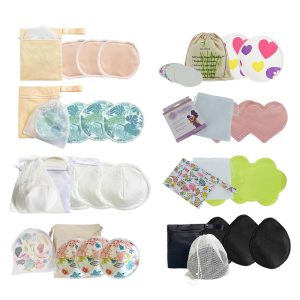
- Breathable Container: Store the pads in a breathable container, such as a cotton bag or mesh pouch, to allow air circulation and prevent moisture build-up.
- Avoid Plastic Bags: Avoid storing the pads in plastic bags or airtight containers, as this can trap moisture and promote bacterial growth.
- Clean Storage Area: Store the pads in a clean, dry area away from direct sunlight, heat sources, and pets.
- Checking for Wear and Tear
Regularly inspect your washable breast pads for signs of wear and tear, such as fraying edges, thinning fabric, or reduced absorbency.
When to Replace:
- Fraying Edges: If the edges of the pads are fraying, it’s time to replace them to maintain their shape and prevent leaks.
- Thinning Fabric: Thinning fabric can reduce the pads’ absorbency, so replace them if you notice any significant wear.
- Reduced Absorbency: If the pads are no longer absorbing as effectively as before, it’s a sign that they need to be replaced.
Conclusion
Washable breast pads offer numerous benefits, including eco-friendliness, cost-effectiveness, and comfort. However, to reap these benefits and ensure optimal performance, it’s crucial to follow proper care and maintenance practices.
By pre-washing before the first use, washing after each use with a gentle detergent, drying them properly, storing them in a breathable container, and regularly checking for wear and tear, you can prolong the lifespan of your washable breast pad and maintain their absorbency and hygiene.
Remember, investing a little time and effort in caring for your washable breast pads will pay off in the long run, saving you money, reducing waste, and providing you with a comfortable and eco-friendly breastfeeding experience.