

In today’s market, wet wipes have become an essential item for many people, serving a variety of purposes from baby care to personal hygiene and household cleaning. However, not all wet wipes are created equal. With the rise of eco-conscious consumerism, bamboo wet wipes have emerged as a sustainable alternative to conventional wipes. In this article, we will explore the key differences between bamboo wet wipes and conventional wipes, highlighting their materials, production processes, environmental impact, and overall benefits.
Material Composition
Conventional Wipes:
Conventional wet wipes are typically made from non-biodegradable materials such as polyester, polypropylene, and other synthetic fibers. These materials are often derived from petroleum-based plastics and are not environmentally friendly. The use of synthetic materials in conventional wipes can lead to environmental pollution and contribute to the global plastic waste crisis.
Bamboo Wet Wipes:
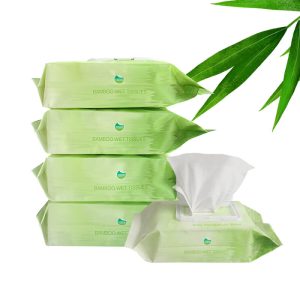
Bamboo eco wet wipes, on the other hand, are made from natural bamboo fibers. Bamboo is a highly renewable resource that grows quickly without the need for pesticides or chemical fertilizers. Bamboo fibers are biodegradable, making bamboo wet wipes a more environmentally friendly option compared to conventional wipes.
Production Process
Conventional Wipes:
The production process of conventional wet wipes often involves the use of harsh chemicals, bleaches, and synthetic fragrances to enhance the wipes’ cleaning and scent properties. These chemicals can be harmful to both the environment and human health. Additionally, the manufacturing process of conventional wipes consumes a significant amount of water and energy, further contributing to environmental degradation.
Bamboo Wet Wipes:
Bamboo eco wet wipes are produced using a more eco-friendly and sustainable process. The bamboo fibers are extracted from bamboo plants through a mechanical process, avoiding the use of harsh chemicals and bleaches. The manufacturing of bamboo wet wipes consumes less water and energy compared to conventional wipes, making them a more sustainable and environmentally friendly option.
Environmental Impact
Conventional Wipes:
The environmental impact of conventional wet wipes is significant and concerning. Due to their non-biodegradable nature, conventional wipes do not break down easily in landfills and can take hundreds of years to decompose. As a result, they contribute to the growing problem of plastic pollution in oceans and landfills, harming marine life and ecosystems.
Moreover, the production and disposal of conventional wipes contribute to carbon emissions and air pollution, further exacerbating climate change and environmental degradation.
Bamboo Wet Wipes:
Bamboo eco wet wipes have a significantly lower environmental impact compared to conventional wipes. As mentioned earlier, bamboo is a renewable resource that grows quickly and requires minimal water and no pesticides to thrive. Additionally, bamboo fibers are biodegradable, meaning that bamboo eco wet wipes break down naturally over time, reducing the amount of waste in landfills and oceans.
Furthermore, the production of bamboo eco wet wipes generates fewer carbon emissions and consumes less energy and water compared to conventional wipes, making them a more sustainable and environmentally friendly option.
Skin Health and Safety
Conventional Wipes:
Conventional wet wipes often contain harsh chemicals, preservatives, and synthetic fragrances that can irritate and dry out the skin. These chemicals can cause skin allergies, rashes, and other skin problems, especially for individuals with sensitive skin or skin conditions.
Bamboo Wet Wipes:
Bamboo eco wet wipes are hypoallergenic and gentle on the skin. The natural antibacterial properties of bamboo fibers help to prevent bacterial growth and reduce the risk of skin infections. Additionally, bamboo wet wipes are free from harsh chemicals, preservatives, and synthetic fragrances, making them a safer and more skin-friendly option compared to conventional wipes.
Cost and Affordability
Conventional Wipes:
Conventional wet wipes are generally more affordable and widely available compared to bamboo eco wet wipes. However, the lower cost often comes at the expense of quality, sustainability, and environmental impact.
Bamboo Wet Wipes:
Bamboo eco wet wipes may be slightly more expensive than conventional wipes due to their higher quality and sustainable production process. However, considering the environmental benefits, skin-friendly properties, and overall quality of bamboo eco wet wipes, many consumers find them to be a worthwhile investment.
Conclusion
In summary, the differences between bamboo wet wipes and conventional wipes are significant and multifaceted. While conventional wipes are often cheaper and more readily available, they come with a higher environmental cost, potential health risks due to harsh chemicals, and inferior quality compared to bamboo eco wet wipes.
Bamboo eco wet wipes, on the other hand, offer a sustainable, environmentally friendly, and skin-friendly alternative to conventional wipes. Made from natural bamboo fibers, bamboo eco wet wipes are biodegradable, hypoallergenic, and free from harsh chemicals and synthetic fragrances, making them a safer and more eco-friendly option for personal hygiene, baby care, and household cleaning.
As consumers become more informed and environmentally conscious, the demand for sustainable and eco-friendly products like bamboo wet wipes is expected to rise. By choosing bamboo eco wet wipes over conventional wipes, consumers can make a positive impact on the environment, promote sustainability, and prioritize their health and well-being.
In conclusion, the choice between bamboo eco wet wipes and conventional wipes ultimately comes down to individual priorities, values, and concerns. While conventional wipes may be more affordable and convenient in the short term, bamboo eco wet wipes offer long-term benefits, superior quality, and a more sustainable and responsible choice for the environment and future generations.
As we continue to strive for a greener and more sustainable future, opting for bamboo wet wipes is a small yet significant step towards reducing plastic pollution, promoting sustainability, and creating a healthier and safer world for ourselves and our children.