

Using padded cloth diapers is a cost-effective and environmentally friendly way to meet your baby’s diapering needs. Here’s how to use padded cloth diapers:
Choose Cloth Diapers and Changing Pads:
Cloth diapers: Cloth diapers come in many types, including bagged diapers, all-in-one diapers, and prefolded diapers. Choose the type that suits your preferences and needs.
Inserts: Inserts are absorbent pads placed inside cloth diapers to absorb moisture. They can be made from a variety of materials, such as cotton, bamboo, hemp or microfiber. Choose an insert that meets your absorbency requirements.
Some inserts, especially natural fiber inserts like cotton or bamboo, may require preparation before use. Prep includes washing the insert several times to enhance its absorbency. Please follow the manufacturer’s instructions for preparation.
Prepare the Diaper:
If you’re using a pocket diaper: Open the diaper pocket and place the insert in. Make sure the inserts are evenly distributed.
If you’re using an all-in-one diaper: The insert is usually sewn into the diaper cover, so you don’t need to worry about inserting it separately.
If you are using prefolded diapers: Fold the prefolded diaper to size and place it inside the diaper cover. You can also use extra inserts for extra absorbency if needed.
Put on the diaper:
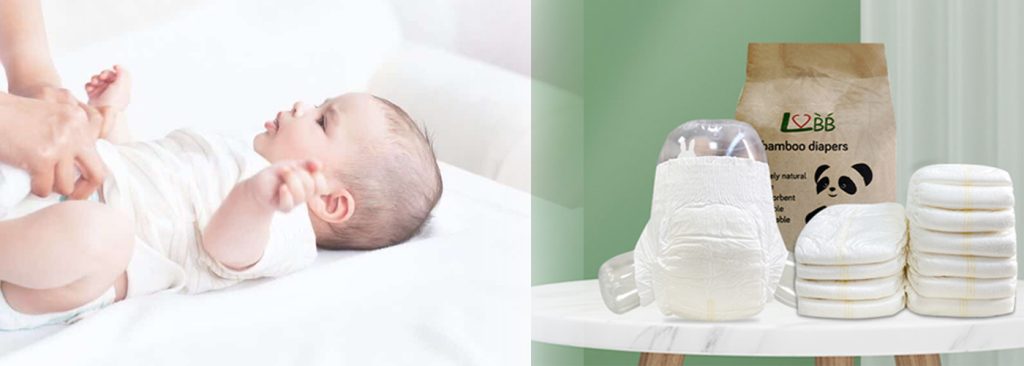
Place baby on a clean, dry surface.Slide the prepared cloth diaper under your baby, making sure the back edge is at baby’s waist and the front edge is at belly button level.
Holds diapers securely. Depending on the type of cloth diaper you have, this may involve the use of snaps, hook and loop closures (similar to Velcro), or other fastening mechanisms.
Check for fit:
Make sure the diaper is snug but not too tight. You should be able to comfortably slide two fingers between the diaper and baby’s waist.
Replacement and Cleaning:
When the diaper is wet or soiled, change it in time. Remove insert, place all solids in toilet, then place diaper cover and insert in designated diaper pail or wet bag. You can wash your diapers and changing pads every 2-3 days as needed.
Washing:
Follow the manufacturer’s laundering instructions for cloth diapers and liners. Generally, you will need:
Do a cold rinse or prewash cycle to remove excess waste.Wash regularly with warm water using a mild detergent.Avoid fabric softeners, bleach, and harsh chemicals as they can reduce absorbency and damage the material.
Drying:
Most cloth diapers and liners can be air dried or machine dried on a low setting. See the manufacturer’s guide for specific drying recommendations.
Keep in mind that there can be a learning curve with padded cloth diapers, but with practice you’ll find a routine that works for you and your baby. It’s also a good idea to have enough cloth diapers and liners on hand in rotation to avoid running out when washing a batch.
Of course, there are additional tips and considerations to keep in mind when using padded cloth diapers:
Increased Absorbency: Depending on your baby’s age and the weight of the diaper, you may need to increase the absorbency of your diaper. This can be achieved by layering multiple inserts or using booster pads. Booster pads are thinner inserts that are designed to provide extra absorbency without adding bulk.
Liners: Diaper liners are thin, usually disposable, that are placed between the baby’s skin and the liner. They make it easier for you to dispose of solid waste, allowing you to remove most of the trash before flushing it down the toilet. This helps prevent soiling and makes cleaning the diaper more convenient.
Wipes: If you use diapers, you might also consider using wipes. These reusable wipes are made of soft fabric and can be moistened with water or a mild wipe solution to clean your baby between nappy changes.
Diaper Cream: When using cloth diapers, it’s important to choose a diaper cream that’s safe for the cloth material. Some diaper creams contain ingredients that can create a barrier on the fabric and interfere with absorbency. Look for a cream that is safe for cloth diapers, or if you need to use a cream that may not be suitable for cloth diapers, use a diaper cream on each liner.
Nighttime diapers: For nighttime use or longer intervals between diaper changes, you may need to use a more absorbent pad or fold the pad to prevent leaks. Hemp and Bamboo inserts are popular choices for improved nighttime absorbency.
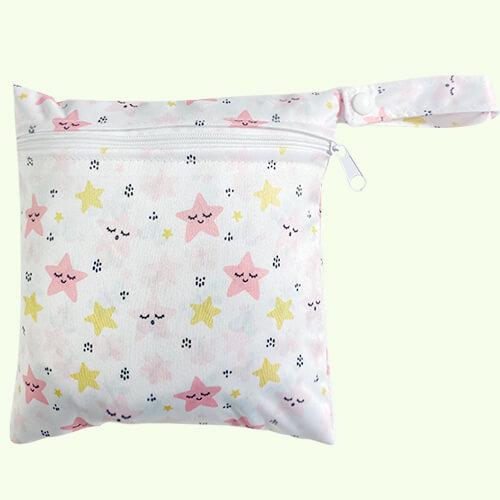
Store diapers on the go: Keep a wet bag with you to store wet or soiled diapers when you’re out and about. A wet bag is a waterproof bag that helps contain odor and moisture until you get home and wash your diapers.
Transitioning to solid foods: When your baby starts to eat solid foods, their bowling movements will change. You need to remove solids from the diaper before washing. You can use a diaper sprayer to flush the solids down the toilet or use a disposable liner to collect the solids.
Fit and Comfort: Notice how the cloth diaper fits your baby. Adjust the waist snaps (if applicable) to ensure a snug fit at the legs and waist. Avoid over-tightening as this may cause skin irritation or marks on baby.
Detergent Choices: Choose a detergent that is suitable for cloth diapers and does not contain additives, fragrances, or fabric softeners. These additives can accumulate on the fabric and affect absorbency.
Weather Considerations: In colder weather, consider a fleece lining to keep baby dry. On hot days, choose breathable fabrics like cotton.
Adequate investment: Having an adequate number of cloth diapers and liners in your rotation will make your day-to-day easier to manage. Prepare about 20-30 diapers to make sure you always have clean diapers on hand.
Remember that every baby is unique, so you may need to experiment a bit to find the combination of diapers, changing pads and other accessories that best suits your baby’s comfort and convenience.