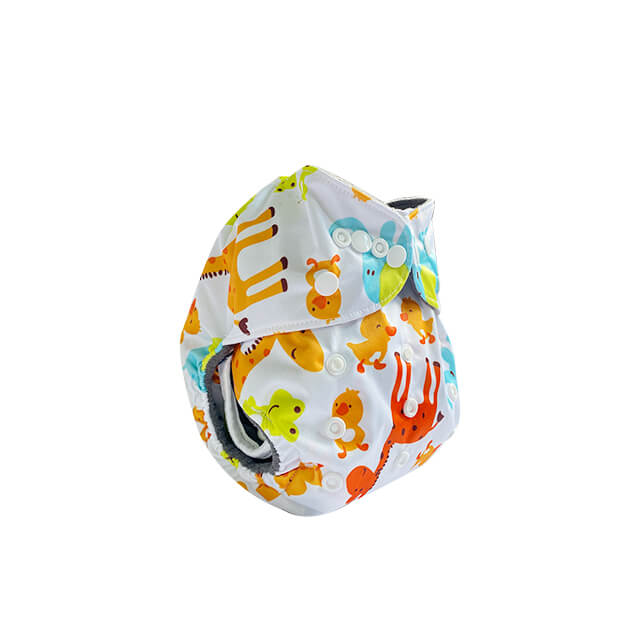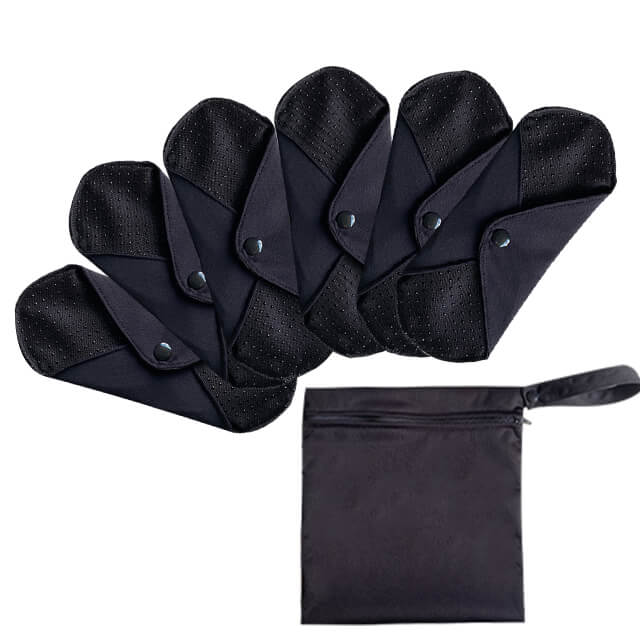


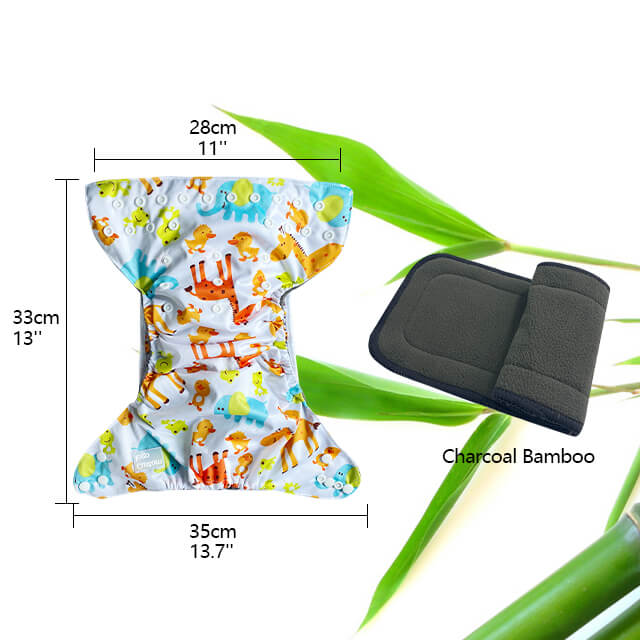

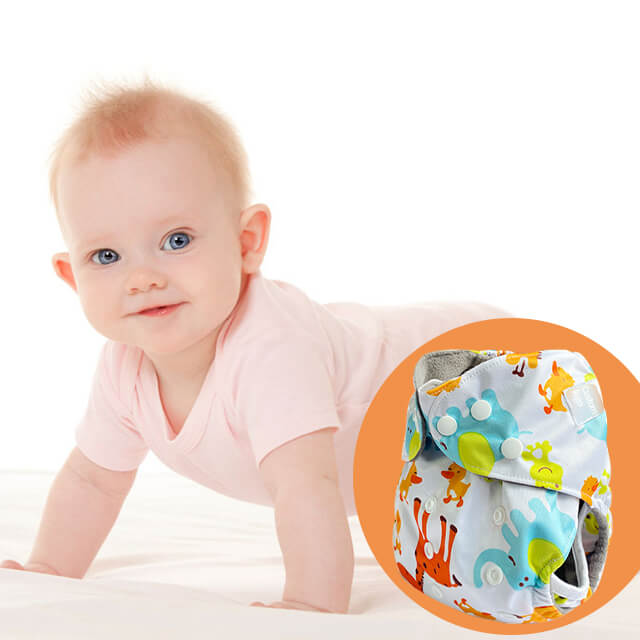
Novo design de fraldas de pano de bolso laváveis e reutilizáveis para bebés com inserção
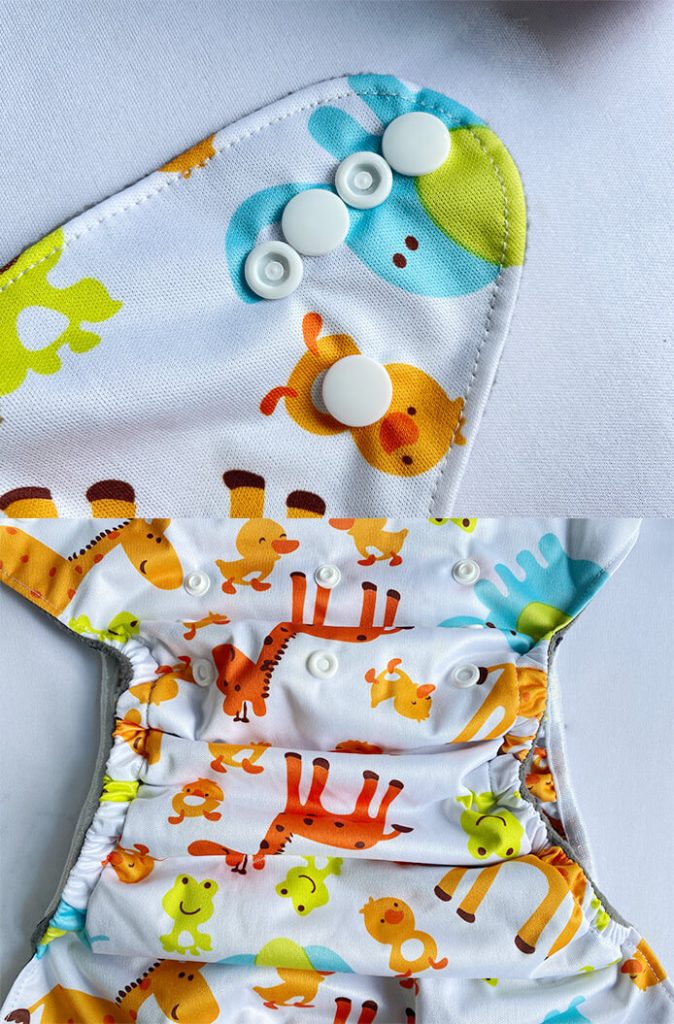
O nosso fralda de pano reutilizável is designed to provide optimal comfort and functionality for your baby. The nappy is adjustable, allowing it to fit babies of various sizes, from newborns to toddlers. The elastic waistband and leg openings ensure a snug and secure fit, preventing leaks and accidents. The cloth nappy also features a moisture-wicking inner layer that keeps your baby’s skin dry and free from irritation. With its easy-to-use snap or Velcro closures, changing diapers becomes a breeze.

Vantagens:
1. Sustentabilidade ambiental: Uma das principais vantagens da nossa fralda de pano reutilizável é o seu impacto positivo no ambiente. Ao contrário das fraldas descartáveis, que contribuem para a deposição de resíduos em aterros, a nossa fralda de pano é reutilizável e pode ser lavada e reutilizada várias vezes. Ao escolher o nosso produto, está a reduzir a sua pegada de carbono e a fazer um esforço consciente para proteger o planeta para as gerações futuras.
2. Económicas: Embora o investimento inicial em fraldas de pano reutilizáveis possa ser superior ao das fraldas descartáveis, a longo prazo, estas revelam-se mais rentáveis. Ao utilizar a nossa fralda de pano, pode poupar uma quantidade significativa de dinheiro que, de outra forma, seria gasto em fraldas descartáveis. Com os devidos cuidados, a nossa fralda de pano pode durar anos, o que a torna um investimento sensato para pais preocupados com o seu orçamento.
3. Benefícios para a saúde: A nossa fralda de pano reutilizável é feita de materiais naturais e respiráveis, como o algodão orgânico ou o bambu, que são suaves para a pele delicada do seu bebé. Ao contrário das fraldas descartáveis que contêm frequentemente produtos químicos e materiais sintéticos, a nossa fralda de pano reduz o risco de alergias cutâneas, erupções cutâneas e outras irritações. A respirabilidade do tecido também ajuda a regular a temperatura corporal do seu bebé, mantendo-o confortável durante todo o dia.
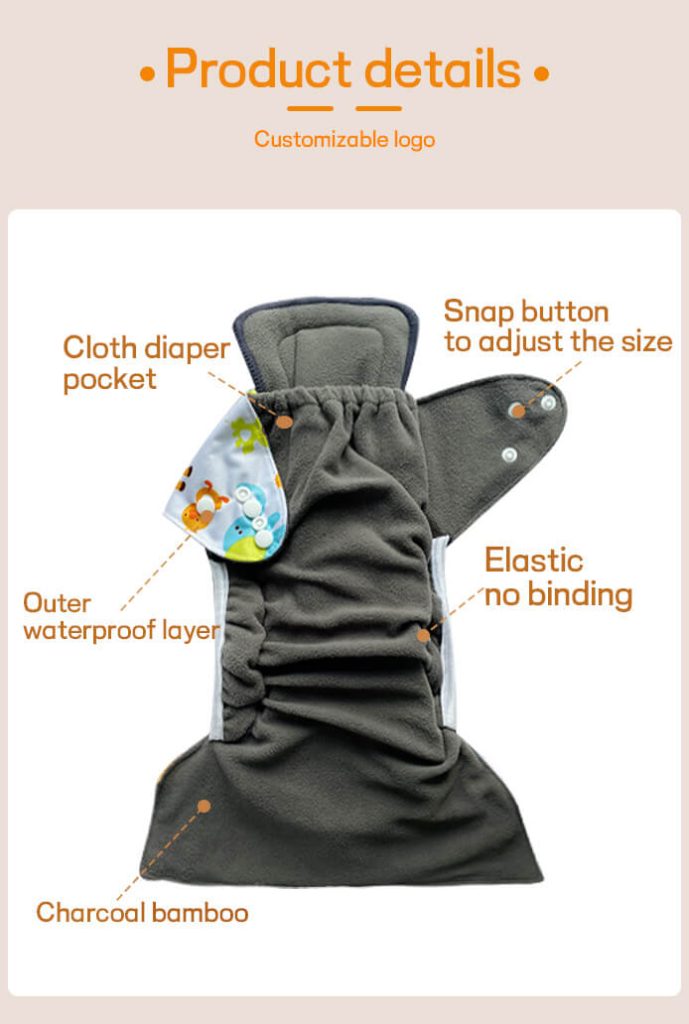
4. Personalização: A nossa fralda de pano reutilizável oferece uma vasta gama de opções de personalização para se adaptar às necessidades do seu bebé. Pode escolher entre vários níveis de absorção, consoante a idade e as necessidades do seu bebé. Além disso, a nossa fralda de pano é fornecida numa variedade de cores, padrões e desenhos, permitindo-lhe expressar o seu estilo enquanto mantém o seu bebé na moda.
Aplicações:
A nossa fralda de pano reutilizável é adequada para o uso quotidiano, seja em casa ou em viagem. É uma excelente escolha para os pais que procuram uma solução de fralda sustentável e económica. A nossa fralda de pano é também ideal para bebés com pele sensível ou alergias, uma vez que minimiza o risco de irritação. Além disso, a nossa fralda de pano pode ser utilizada durante o treino do bacio, uma vez que promove a consciência da humidade e incentiva a independência.
1. The Advantages of Reusable Cloth Nappy:
Reusable cloth nappy offer numerous advantages over their disposable counterparts. Firstly, they are more environmentally friendly as they significantly reduce the amount of waste that ends up in landfills. Unlike disposable diapers, cloth nappies can be washed and reused multiple times, making them a sustainable choice for eco-conscious parents.
Além disso, as fraldas de pano reutilizáveis são económicas. Embora o investimento inicial possa parecer mais elevado, a longo prazo, revelam-se muito mais baratas do que as fraldas descartáveis. Ao utilizar fraldas de pano, os pais podem poupar uma quantidade substancial de dinheiro, especialmente se considerarmos o número de fraldas que um bebé usa nos primeiros anos de vida.
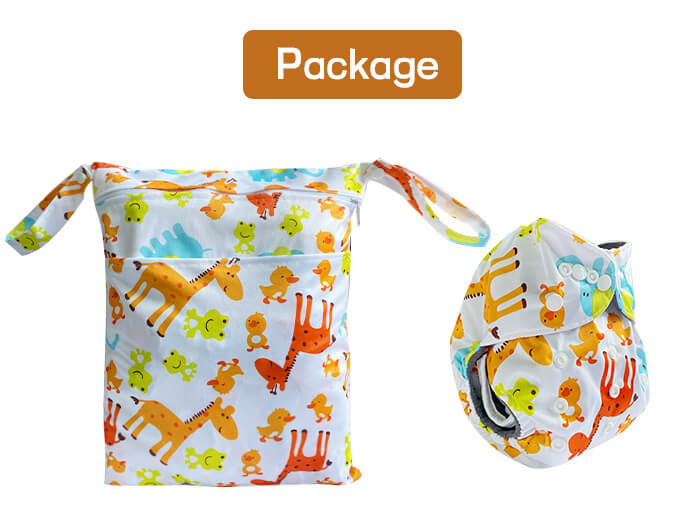
2. Escolher a fralda de pano reutilizável correcta:
Ao escolher uma fralda de pano reutilizável, é essencial ter em conta vários factores para garantir o melhor ajuste e conforto para o seu bebé. Em primeiro lugar, determine o tipo de fralda de pano que prefere. Existem diferentes opções disponíveis, como as fraldas tudo-em-um, as fraldas de bolso e as fraldas pré-dobradas. Cada tipo tem as suas próprias vantagens, pelo que é importante pesquisar e encontrar a que melhor se adapta às suas necessidades.
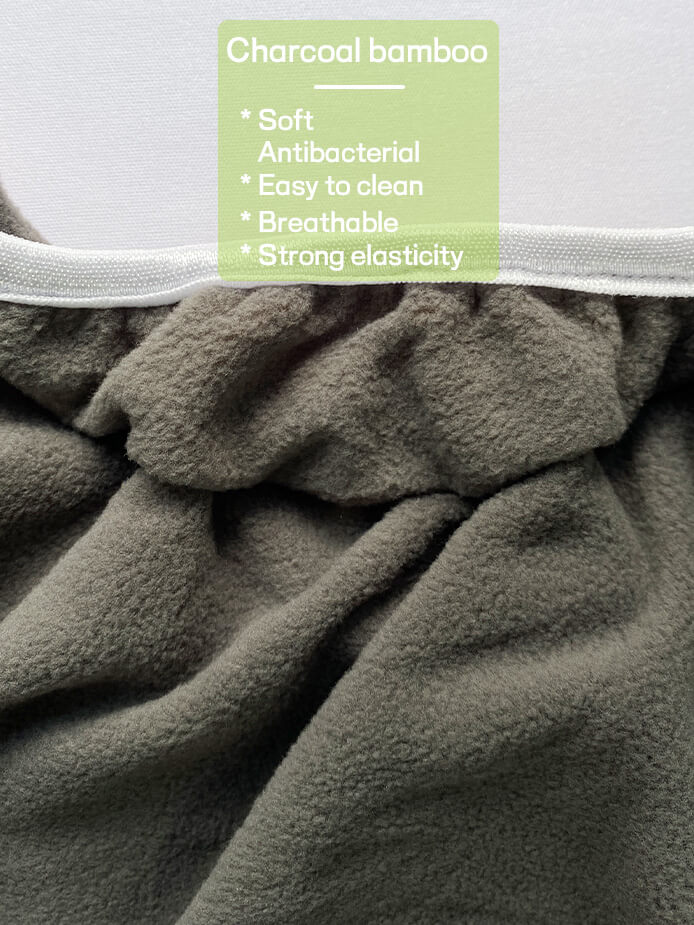
De seguida, considere o material da fralda de pano. O algodão orgânico, o bambu e o cânhamo são escolhas populares devido à sua suavidade, absorção e respirabilidade. É crucial escolher um material que seja suave para a pele do seu bebé e que não contenha químicos nocivos.
3. Cuidados a ter com as fraldas de pano reutilizáveis:
Proper care and maintenance of reusable cloth nappy are essential to ensure their longevity and effectiveness. The first step is to establish a washing routine. It is recommended to rinse the nappies immediately after use and store them in a dry pail until laundry day. When washing, use a gentle detergent and avoid fabric softeners or bleach, as they can affect the absorbency of the nappies.
Recomenda-se vivamente que as fraldas de pano sejam secas ao sol, pois ajuda a remover as manchas e desinfecta-as naturalmente. No entanto, se a secagem ao sol não for possível, também é aceitável a utilização de um secador numa definição de baixa temperatura. Inspeccione regularmente as fraldas para detetar quaisquer sinais de desgaste e substitua quaisquer peças danificadas ou gastas para manter a sua eficácia.
4. Superar os desafios:
While reusable cloth nappy offer numerous benefits, they may come with a few challenges. One common concern is the issue of leakage. However, with proper fitting and absorbency inserts, leaks can be minimized. Additionally, some parents may worry about the extra laundry that cloth nappies require. However, with a well-established washing routine, this can be easily managed.
In the journey of parenting, one of the most critical choices parents make is the type of nappies they use for their babies. With increasing awareness of environmental sustainability and the need for cost-effective solutions, reusable cloth nappy have emerged as a popular choice. These nappies offer numerous benefits, from reducing waste and saving money to being gentle on your baby’s skin. This comprehensive product description delves into every aspect of reusable cloth nappies, providing an in-depth look at why they are the best choice for modern parents.
What Are Reusable Cloth Nappy?
Reusable cloth nappy are washable, durable nappies made from various layers of fabric designed to absorb and contain your baby’s waste. Unlike disposable nappies, which are single-use and contribute significantly to landfill waste, reusable cloth nappies can be washed and reused multiple times. They come in various styles, including all-in-one, pocket nappies, and prefolds, each offering unique benefits to cater to different parenting needs and preferences.
Características principais
- Amigo do ambiente: Made from natural and sustainable materials, reusable cloth nappies significantly reduce the environmental impact compared to disposables.
- Rentável: Although the initial investment is higher, these nappies save money in the long run by eliminating the need for continuous purchases.
- Suave para a pele: Free from chemicals and synthetic materials, cloth nappies are gentle on your baby’s sensitive skin, reducing the risk of rashes and irritation.
- Adjustable and Versatile: Most cloth nappies come with adjustable snaps or Velcro closures, allowing them to grow with your baby from infancy to toddlerhood.
- Designs com estilo: Available in a wide range of colors and patterns, cloth nappies are not only functional but also fashionable.
Benefits of Reusable Cloth Nappy
Benefícios ambientais
One of the primary advantages of reusable cloth nappy is their positive impact on the environment. Here’s how they contribute to sustainability:
- Redução de resíduos: Disposable nappies are a significant contributor to landfill waste, taking hundreds of years to decompose. Reusable cloth nappies, on the other hand, can be used repeatedly, drastically reducing the volume of waste.
- Lower Carbon Footprint: The production and transportation of disposable nappies involve significant carbon emissions. In contrast, cloth nappies, especially those made from organic materials, have a much lower carbon footprint.
- Conservation of Resources: Disposable nappies require large amounts of raw materials and energy to produce. By opting for reusable nappies, parents help conserve these resources.
- Biodegradabilidade: Many cloth nappies are made from biodegradable materials such as organic cotton or bamboo, which decompose much faster than synthetic disposables.
Benefícios para a saúde
Reusable cloth nappy are not only environmentally friendly but also beneficial for your baby’s health:
- Sem químicos: Unlike disposable nappies, which often contain chemicals and fragrances that can irritate the skin, cloth nappies are free from harmful substances.
- Respirabilidade: Cloth nappies allow for better air circulation, reducing the risk of diaper rash and keeping your baby’s skin healthy and dry.
- Conforto: The soft, natural fibers used in cloth nappies provide a comfortable and snug fit, enhancing your baby’s overall comfort.
Cost Benefits
While the upfront cost of cloth nappies might be higher, they offer substantial long-term savings:
- Natureza reutilizável: A single set of cloth nappies can last through the entire diapering period for one or more children, significantly reducing the cost compared to disposables.
- Second-Hand Market: Cloth nappies maintain their value well, and many parents sell them second-hand, recouping some of the initial investment.
- No Ongoing Purchase Costs: With disposables, parents continuously spend money on new nappies. Cloth nappies eliminate this recurring expense.
How to Use Reusable Cloth Nappy
Using reusable cloth nappy is straightforward once you get the hang of it. Here’s a step-by-step guide:
- Preparação: Before the first use, wash the nappies to increase their absorbency. Depending on the material, multiple washes may be needed.
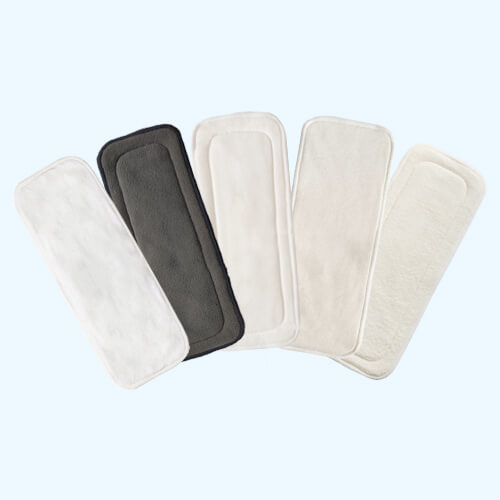
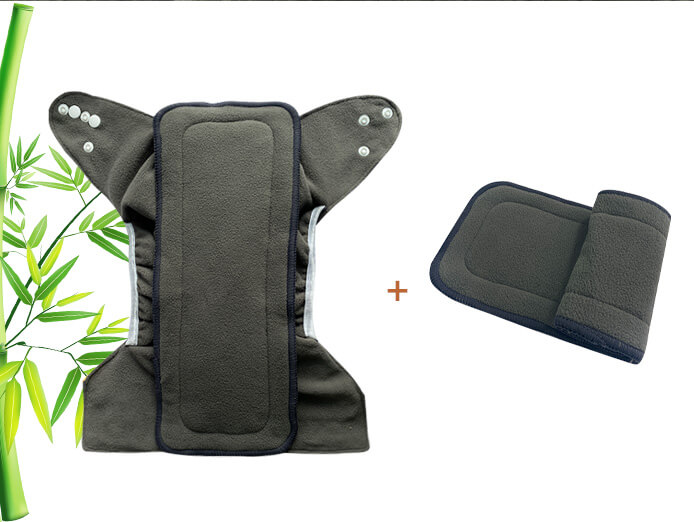
- Assembly: Depending on the type, assemble the nappy. For pocket nappies, insert the absorbent pads. For prefolds, fold them appropriately and place them in a cover.
- Putting On: Lay your baby on the nappy, adjust the fit, and secure it using the snaps or Velcro. Ensure it’s snug but not too tight.
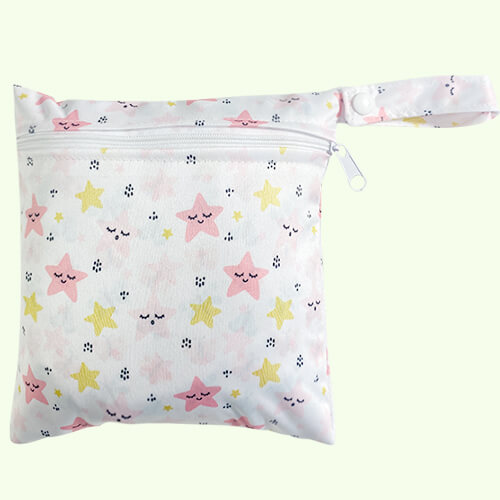
- Mudança: Change the nappy every 2-3 hours or as needed. For solid waste, dispose of it in the toilet before placing the nappy in a pail or wet bag.
- Lavagem: Store used nappies in a dry pail or wet bag. On laundry day, pre-rinse them to remove any residue, then wash them in hot water with a gentle detergent. Avoid fabric softeners, as they can affect absorbency.
- Secagem: Line drying is preferred as it extends the life of the nappies and conserves energy. If using a dryer, choose a low-heat setting.
Caring for Your Reusable Cloth Nappy
Proper care is essential to maintain the effectiveness and longevity of your cloth nappies. Here are some tips:
- Pré-lavagem: New nappies should be pre-washed to increase their absorbency. Wash them separately for the first few times to prevent color bleeding.
- Lavagem regular: Wash nappies every 2-3 days to prevent odors and stains. Use a hot wash cycle with a suitable detergent.
- Avoiding Stains: For stubborn stains, sun-dry the nappies. Sunlight naturally bleaches stains and disinfects the fabric.
- Using the Right Detergent: Choose a gentle, cloth-nappy-friendly detergent. Avoid bleach, fabric softeners, and any additives that can affect the fabric’s performance.
- Secagem: Air drying is the best option. If using a dryer, avoid high heat to prevent damage to the elastic and waterproof layers.
- Armazenamento: Store clean nappies in a dry, well-ventilated area. Ensure they are completely dry before storing to prevent mold and mildew.